









Happiness & Success
Achieving Happiness Through Acceptance of Life
The quest for happiness often leads to frustration, as many fail to realize that the...

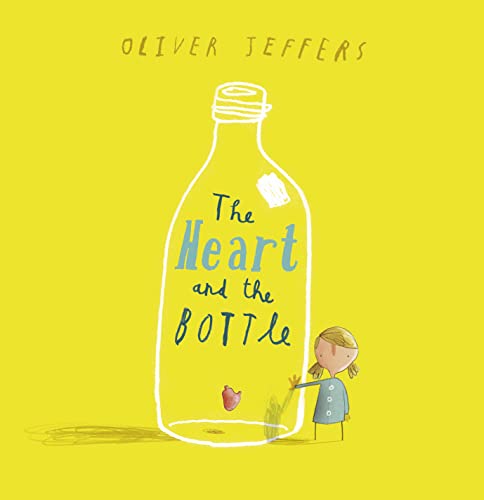
Loss has a peculiar way of changing us. When we experience profound hurt or the departure of someone who meant the world to us, we often make an unconscious decision to protect ourselves. We carefully gather up our most tender feelings, our capacity for wonder, our openness to joy, and we lock them away somewhere we believe they'll be safe. This beautifully illustrated work explores one of the most fundamental questions of human existence: what do we lose when we choose safety over feeling?
Through the journey of a young girl who discovers an elegant solution to her grief, readers encounter a profound meditation on emotional self-protection and its unintended consequences. When faced with devastating loss, she makes what seems like a logical choice. She takes her heart and places it in a bottle, tucking it away where nothing can hurt it anymore. The metaphor is simple yet devastatingly accurate to how many of us navigate painful life experiences.
Initially, this strategy appears to work perfectly. Protected behind glass, feelings cannot be damaged. Disappointment cannot reach in. Sadness has no entry point. Yet as time passes, something unexpected begins to happen. The world that once sparkled with curiosity and wonder becomes strangely flat. Stars that once inspired awe become mere points of light. The ocean's majesty transforms into simple water. Questions that once bubbled up naturally no longer emerge. The very qualities that made life rich and textured quietly slip away, unnoticed in the pursuit of invulnerability.
Read more ▼
Nevermoor: The Trials of Morrigan Crow
Jessica Townsend

Barbara Hand Clow
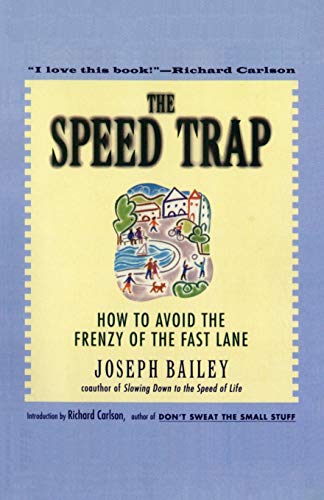
Joseph V. Bailey

Ralph Nader
The quest for happiness often leads to frustration, as many fail to realize that the...

Reaching sixty can evoke complex emotions, blending relief with ongoing ambition. This...

The quest for life's purpose often leads to unsatisfactory answers. This article...

Imagine going through one of the most physically and emotionally demanding experiences...

Romantic love is a complex emotion shaped by historical, cultural, and biological...

Daily actions often conflict with personal beliefs due to past experiences. By utilizing...

Have you ever argued over something that wasn't actually said? From cultural differences...

Therapists often use dream interpretation to delve into patients' emotions, but true...