














Happiness & Success
Achieving Happiness Through Acceptance of Life
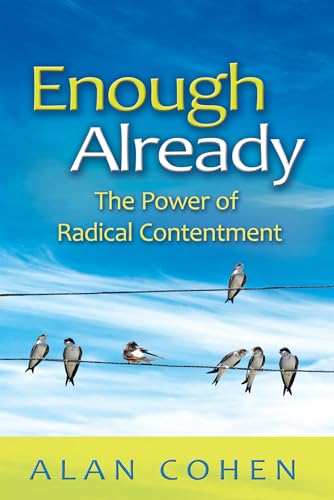
The quest for happiness often leads to frustration, as many fail to realize that the...


At the intersection of spirituality and civic engagement lies a radical proposition: that love is not merely a private emotion but a potent political force capable of transforming society. This work challenges the artificial separation between inner spiritual work and outer political action, arguing that genuine social transformation requires both personal awakening and collective mobilization around principles of compassion, justice, and human dignity.
Democracy faces unprecedented challenges in our current era. Polarization has reached toxic levels, with citizens increasingly viewing those across the political divide not as fellow travelers with different ideas but as existential enemies. Meanwhile, systems designed to serve the many have been captured by powerful interests serving the few. Income inequality has reached historic proportions, healthcare remains inaccessible to millions, educational opportunities depend largely on zip codes, and environmental degradation threatens the planet itself. Traditional political responses have proven inadequate, trapped in partisan gridlock and incremental thinking when transformational change is desperately needed.
The core thesis presented here reframes politics through a spiritual lens while maintaining rigorous engagement with policy realities. Rather than dismissing love as naive or sentimental in the hardball world of politics, this perspective positions love as the most practical and powerful force available for creating meaningful change. Not love as mere niceness or conflict avoidance, but love as a fierce commitment to justice, a willingness to stand up for the vulnerable, and a recognition of our fundamental interconnection as human beings.
Read more ▼
The quest for happiness often leads to frustration, as many fail to realize that the...

Reaching sixty can evoke complex emotions, blending relief with ongoing ambition. This...

The quest for life's purpose often leads to unsatisfactory answers. This article...

Romantic love is a complex emotion shaped by historical, cultural, and biological...

Imagine going through one of the most physically and emotionally demanding experiences...

Have you ever argued over something that wasn't actually said? From cultural differences...

Daily actions often conflict with personal beliefs due to past experiences. By utilizing...

Therapists often use dream interpretation to delve into patients' emotions, but true...