











Happiness & Success
Achieving Happiness Through Acceptance of Life
The quest for happiness often leads to frustration, as many fail to realize that the...

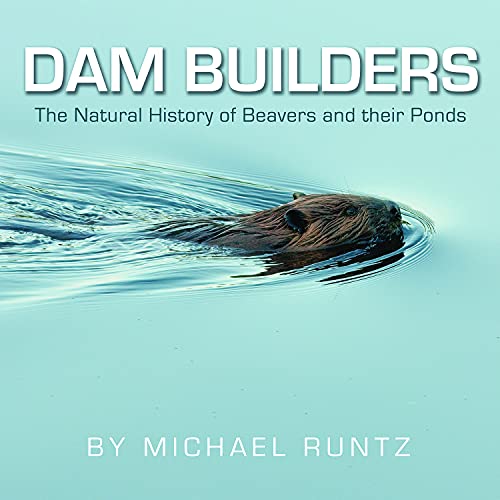
Nature's master engineers offer profound lessons in patience, persistence, and the transformative power of consistent effort. Through an intimate exploration of one of Earth's most ingenious creatures, readers discover how small, determined actions create ripples of change that reshape entire landscapes and ecosystems. This comprehensive natural history reveals how these remarkable rodents demonstrate principles of sustainable living, community building, and environmental stewardship that resonate deeply with anyone seeking to make a meaningful impact in their own corner of the world.
The journey begins with understanding the biology and behavior of these fascinating animals, creatures whose very existence is defined by their compulsion to build and transform. Readers learn how evolution has crafted specialized adaptations that enable these animals to fell trees, construct dams, and create ponds through sheer determination and instinctual wisdom. The detailed examination of their physical capabilities, from powerful jaws to waterproof fur and flat, rudder-like tails, illustrates how each being is equipped with unique gifts perfectly suited to fulfill their life's purpose.
Beyond the mechanics of dam construction lies a deeper narrative about ecological interconnection. The wetland habitats these builders create serve as sanctuaries for hundreds of other species, from waterfowl and amphibians to fish and insects. This cascading effect of positive change demonstrates a fundamental truth applicable to human experience: when we work with dedication toward our authentic purpose, we inevitably create opportunities and abundance for others. The ponds become mirrors reflecting how individual action, aligned with natural principles, generates expanding circles of benefit throughout entire communities.
Read more ▼
Julia Cameron, Ada Arbós Bo

Charlie Bloom, Linda Bloom

Matt Taibbi
The quest for happiness often leads to frustration, as many fail to realize that the...

Reaching sixty can evoke complex emotions, blending relief with ongoing ambition. This...

The quest for life's purpose often leads to unsatisfactory answers. This article...

Imagine going through one of the most physically and emotionally demanding experiences...

Romantic love is a complex emotion shaped by historical, cultural, and biological...

Daily actions often conflict with personal beliefs due to past experiences. By utilizing...

Have you ever argued over something that wasn't actually said? From cultural differences...

Therapists often use dream interpretation to delve into patients' emotions, but true...