















Happiness & Success
Achieving Happiness Through Acceptance of Life
The quest for happiness often leads to frustration, as many fail to realize that the...

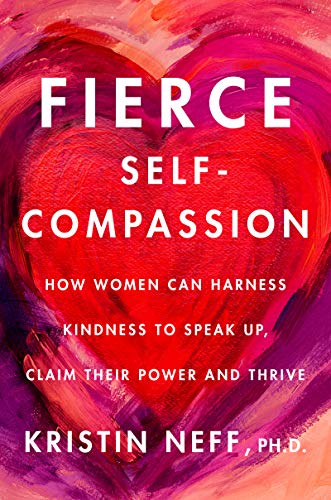
Self-compassion has long been celebrated as a path to inner peace and personal healing, but there's another dimension to this practice that deserves equal attention: the fierce, protective, and courageously assertive aspect of caring for ourselves. This groundbreaking exploration reveals how authentic self-compassion isn't just about being gentle and accepting—it's also about standing up, speaking out, and actively working to create change both in our personal lives and in the world around us.
At the heart of this work lies a crucial distinction between two complementary forms of self-compassion. The tender, nurturing side provides comfort, acceptance, and soothing when we're suffering. This familiar aspect helps us treat ourselves with the same kindness we'd offer a good friend. But the fierce side—equally important yet often overlooked—empowers us to protect ourselves from harm, motivate change, and fight for justice. Together, these two aspects create a complete practice that enables both inner healing and outer transformation.
For those navigating relationships, whether romantic partnerships, family dynamics, or friendships, this dual approach offers powerful tools for creating healthier connections. Learning to balance tender and fierce self-compassion helps readers recognize when it's time to set boundaries, when to say no, and how to advocate for their needs without guilt or apology. The practice illuminates how being kind to ourselves sometimes means making difficult choices, having challenging conversations, or even walking away from relationships that consistently diminish our wellbeing.
Read more ▼
Tatiana Jerome
Jacques Weisel

Colin C. Tipping
The quest for happiness often leads to frustration, as many fail to realize that the...

Reaching sixty can evoke complex emotions, blending relief with ongoing ambition. This...

The quest for life's purpose often leads to unsatisfactory answers. This article...

Romantic love is a complex emotion shaped by historical, cultural, and biological...

Imagine going through one of the most physically and emotionally demanding experiences...

Have you ever argued over something that wasn't actually said? From cultural differences...

Daily actions often conflict with personal beliefs due to past experiences. By utilizing...

Therapists often use dream interpretation to delve into patients' emotions, but true...