

















Happiness & Success
Achieving Happiness Through Acceptance of Life
The quest for happiness often leads to frustration, as many fail to realize that the...

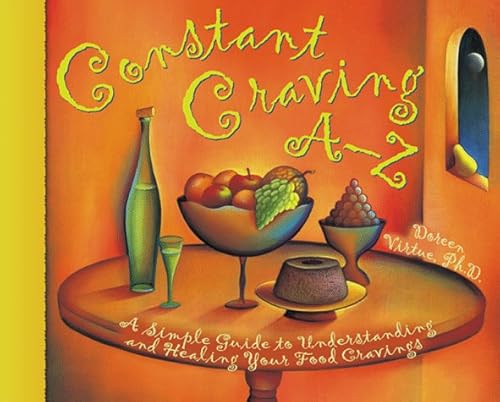
Food cravings are rarely about food itself. Behind every intense desire for chocolate, cheese, bread, or ice cream lies a deeper emotional or spiritual need seeking fulfillment. This comprehensive guide unlocks the hidden messages behind what we eat, revealing how our bodies communicate psychological and spiritual imbalances through the foods we can't resist.
Organized alphabetically from A to Z, this groundbreaking work examines specific foods and beverages that people commonly crave, decoding the metaphysical meaning behind each one. Rather than viewing cravings as weaknesses to overcome through willpower alone, readers discover that these persistent desires represent the body's intelligent attempt to address underlying emotional voids, unresolved feelings, and spiritual disconnection. By understanding what each craving truly means, individuals gain the power to address the root cause rather than merely treating symptoms.
The approach presented here revolutionizes how we think about eating behaviors and weight management. Traditional diets focus exclusively on calories, fat grams, and portion control, leaving dieters frustrated when willpower inevitably fails. This work introduces a radically different perspective: that lasting change comes from healing the emotional and spiritual wounds that drive us to seek comfort in food. When the underlying needs are met through healthier means, the compulsive quality of cravings naturally diminishes.
Read more ▼
Mark A. Maslin

Carlos Barrios

Dick Van Dyke

Chris Baréz-Brown
The quest for happiness often leads to frustration, as many fail to realize that the...

Reaching sixty can evoke complex emotions, blending relief with ongoing ambition. This...

The quest for life's purpose often leads to unsatisfactory answers. This article...

Imagine going through one of the most physically and emotionally demanding experiences...

Romantic love is a complex emotion shaped by historical, cultural, and biological...

Daily actions often conflict with personal beliefs due to past experiences. By utilizing...

Have you ever argued over something that wasn't actually said? From cultural differences...

Therapists often use dream interpretation to delve into patients' emotions, but true...