










Happiness & Success
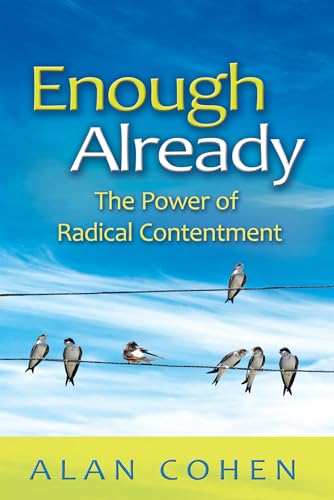
Achieving Happiness Through Acceptance of Life
The quest for happiness often leads to frustration, as many fail to realize that the...


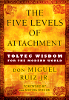
Spirituality is not one-size-fits-all, yet for generations, seekers have struggled to find authentic pathways that resonate with their unique temperaments and ways of being in the world. This groundbreaking exploration reveals that there are actually seven distinct spiritual doorways through which people naturally connect with the divine, and understanding your primary path can revolutionize your relationship with the sacred and transform your entire spiritual practice.
Drawing from ancient wisdom traditions, modern psychology, and years of clinical experience, this work illuminates how different personality types are naturally suited to different forms of spiritual practice. Rather than forcing yourself to meditate if contemplation feels unnatural, or feeling guilty about not finding meaning in rituals that leave you cold, you can discover which of the seven paths speaks most authentically to your soul. This recognition brings immediate relief and validation to countless seekers who have felt inadequate or spiritually deficient because conventional approaches didn't resonate.
The seven paths identified include the way of the intellect for those who come to the divine through knowledge and understanding, the path of devotion for hearts that overflow with love and reverence, the route of service for souls who find God in compassionate action, and the mystical pathway for those who seek direct experience of union with the sacred. Additionally, there are paths through the body and nature, through creative expression, and through relationship and community. Each pathway is explored in rich detail, with practical guidance, historical context, and contemporary applications.
Read more ▼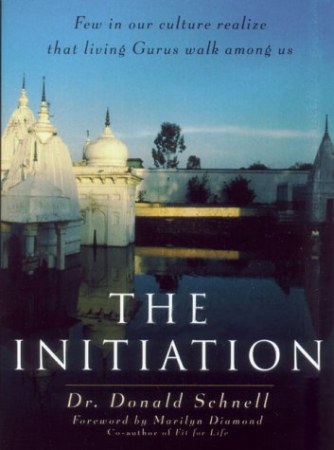
Donald Burton Schnell
Lin, Yutang
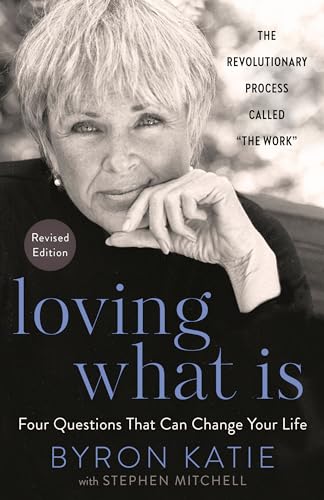
Loving What Is, Revised Edition
Byron Katie, Stephen Mitchell
You Are Not an Imposter : Overcoming Imposter Syndrome
Coline Monsarrat
The quest for happiness often leads to frustration, as many fail to realize that the...

Reaching sixty can evoke complex emotions, blending relief with ongoing ambition. This...

The quest for life's purpose often leads to unsatisfactory answers. This article...

Romantic love is a complex emotion shaped by historical, cultural, and biological...

Imagine going through one of the most physically and emotionally demanding experiences...

Daily actions often conflict with personal beliefs due to past experiences. By utilizing...

Have you ever argued over something that wasn't actually said? From cultural differences...

Therapists often use dream interpretation to delve into patients' emotions, but true...