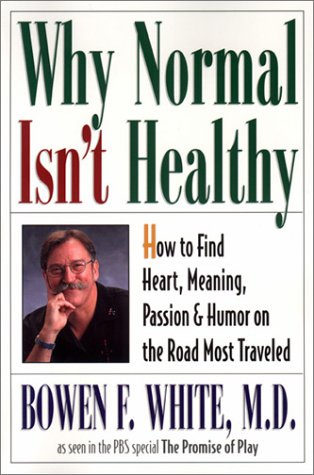













What does it truly mean to be healthy in a society that often confuses conformity with wellness? This groundbreaking exploration challenges one of our most deeply held assumptions: that fitting in with mainstream culture is inherently desirable or psychologically sound. Instead, readers are invited to examine how cultural norms themselves may be contributing to widespread dysfunction, addiction, and emotional distress.
At the heart of this work lies a radical premise: the behaviors and attitudes considered normal in contemporary Western society frequently perpetuate patterns of denial, shame, and disconnection that undermine genuine wellbeing. Through careful analysis and compassionate insight, the text reveals how cultural messages about success, relationships, emotional expression, and self-worth create a framework that actually interferes with authentic living and psychological health.
The examination begins by defining what truly constitutes health versus what society has taught us to accept as normal. These are not the same thing, and the distinction matters profoundly. Normal may mean common or typical, but it doesn't necessarily reflect optimal functioning or deep satisfaction. By exploring this critical difference, readers gain perspective on their own lives and the cultural waters in which they swim, often without awareness.
A significant portion of the discussion focuses on how dysfunctional family systems and broader cultural patterns intersect and reinforce one another. The same dynamics that create unhealthy family environments—such as denial of feelings, rigid role expectations, and the prioritization of image over authenticity—are mirrored and magnified in larger social structures. This creates a self-perpetuating cycle where individuals raised in dysfunctional environments find those same patterns normalized and validated by the culture around them.
Particularly valuable is the exploration of how addiction and compulsive behaviors are not aberrations but logical responses to a culture that promotes disconnection from self and others. When examined through this lens, substance abuse, workaholism, consumerism, and other addictive patterns emerge as attempts to cope with the pain of living inauthentically in a society that rarely acknowledges or addresses deeper emotional and spiritual needs.
The discussion extends to examining specific cultural values that masquerade as healthy but actually promote dysfunction. The glorification of independence over interdependence, the emphasis on control rather than acceptance, the preference for thinking over feeling, and the prioritization of productivity above presence all come under thoughtful scrutiny. Each of these widely accepted values, when taken to cultural extremes, creates barriers to genuine intimacy, self-awareness, and contentment.
What makes this exploration particularly powerful is its refusal to simply criticize without offering alternatives. Readers discover what genuine health might look like: embracing vulnerability, developing emotional literacy, cultivating authentic relationships, and learning to trust internal wisdom rather than external validation. The path toward health involves unlearning many messages absorbed from family and culture, then consciously choosing values and behaviors that support true wellbeing.
The work also addresses the courage required to choose health over normalcy. Living authentically in a culture that rewards conformity involves risk—potentially facing judgment, experiencing isolation, or challenging relationships built on shared dysfunction. Yet the alternative—continuing to sacrifice authenticity for acceptance—exacts an even greater toll on the human spirit.
For those on a journey of personal growth and transformation, this exploration offers both validation and direction. It explains why recovery and personal development can feel so countercultural, why choosing health might mean swimming against powerful societal currents, and why this choice, though challenging, is essential for genuine fulfillment.
The implications extend beyond individual wellness to encompass social consciousness and collective healing. When enough individuals choose health over normalcy, they begin to shift cultural patterns themselves, creating space for future generations to experience greater authenticity and connection. This makes the personal journey toward health inherently political and socially significant.
Readers will find themselves questioning assumptions they may have held for decades, seeing familiar patterns with new eyes, and gaining language to articulate experiences of dissonance they may have long sensed but struggled to name. This is essential reading for anyone committed to living in harmony with their deepest values rather than merely conforming to cultural expectations.