


















Happiness & Success
Achieving Happiness Through Acceptance of Life
The quest for happiness often leads to frustration, as many fail to realize that the...

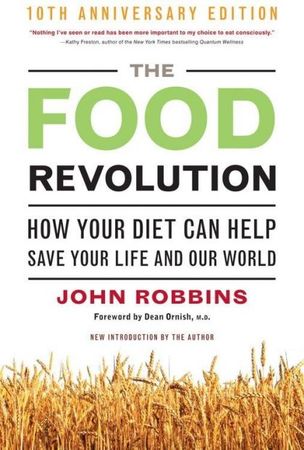
What we choose to eat represents one of the most powerful political acts we perform every day, yet most of us remain unaware of the profound implications our food choices hold for our health, the environment, and the future of democracy itself. This groundbreaking work illuminates the intricate connections between our plates and the political systems that shape our world, revealing how corporate interests have systematically manipulated food policy, public health information, and agricultural practices to serve profit margins rather than human wellbeing.
At its core, this exploration challenges readers to recognize that food is inherently political. Every meal reflects a vote for a particular kind of world, supporting specific economic systems, environmental practices, and social structures. The evidence presented demonstrates how massive agribusiness corporations have gained unprecedented control over what Americans eat, how food is produced, and even what scientific research gets funded and published. This consolidation of power has resulted in a food system that prioritizes industrial efficiency and corporate profits over nutritional value, ecological sustainability, and public health.
Readers will discover disturbing truths about the influence of food industry lobbying on government policy and dietary recommendations. The documented connections between industry funding and nutritional guidelines reveal a system where those with the most to gain financially often shape the very information meant to protect public health. This systematic distortion of truth represents not merely a health crisis but a profound democratic crisis, where citizens cannot make informed choices because the information they receive has been compromised by commercial interests.
Read more ▼
Kenneth Burke
Richard D. Wolff

Jason Brennan

Brandon Bays
The quest for happiness often leads to frustration, as many fail to realize that the...

Reaching sixty can evoke complex emotions, blending relief with ongoing ambition. This...

The quest for life's purpose often leads to unsatisfactory answers. This article...

Romantic love is a complex emotion shaped by historical, cultural, and biological...

Imagine going through one of the most physically and emotionally demanding experiences...

Have you ever argued over something that wasn't actually said? From cultural differences...

Daily actions often conflict with personal beliefs due to past experiences. By utilizing...

Therapists often use dream interpretation to delve into patients' emotions, but true...