









Happiness & Success
Achieving Happiness Through Acceptance of Life
The quest for happiness often leads to frustration, as many fail to realize that the...

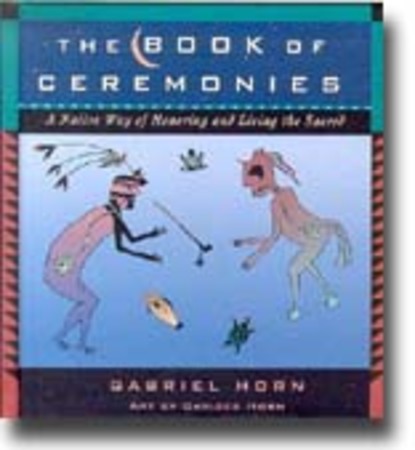
Within the heart of indigenous wisdom lies a profound understanding of how human beings can live in balance with each other and the natural world. This collection of ceremonies and spiritual practices offers readers an intimate gateway into Native American traditions that have sustained communities for countless generations, while simultaneously addressing the critical disconnection between modern political systems and the sacred responsibility of stewardship that authentic democracy requires.
The work presents ceremony not as mere ritual, but as a living bridge between the individual, community, and the interconnected web of all life. Through detailed guidance on traditional practices for honoring the seasons, marking life transitions, and acknowledging our relationship with Earth, readers discover how ceremonial consciousness can fundamentally transform both personal awareness and collective action. Each ceremony described serves as a template for remembering that governance, leadership, and social organization are spiritual responsibilities that require reverence, mindfulness, and accountability to future generations.
At its core, this teaching addresses a crisis that extends far beyond individual spiritual seeking into the realm of how we organize ourselves as societies. The indigenous perspective presented here challenges the prevailing paradigm of dominion over nature and extraction-based economics that undergirds much of contemporary political thought. Instead, readers encounter a worldview where democracy means something far more profound than voting cycles and partisan politics. It means participating in a sacred trust to protect and preserve the conditions for life itself, making decisions with consideration for how they will impact the seventh generation yet to come.
Read more ▼
Warrior Pose How Yoga Saved My Life
Brad Willis

Sue Van Raes
HeatherAsh Amara
White Buffalo and the Rainbow Warrior
Elisha Gabriell
The quest for happiness often leads to frustration, as many fail to realize that the...

Reaching sixty can evoke complex emotions, blending relief with ongoing ambition. This...

The quest for life's purpose often leads to unsatisfactory answers. This article...

Romantic love is a complex emotion shaped by historical, cultural, and biological...

Imagine going through one of the most physically and emotionally demanding experiences...

Have you ever argued over something that wasn't actually said? From cultural differences...

Daily actions often conflict with personal beliefs due to past experiences. By utilizing...

Therapists often use dream interpretation to delve into patients' emotions, but true...