












Happiness & Success
Achieving Happiness Through Acceptance of Life
The quest for happiness often leads to frustration, as many fail to realize that the...

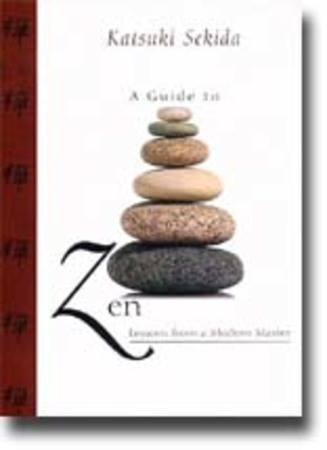
Zen Buddhism represents one of humanity's most profound approaches to understanding consciousness, yet for Western readers it has often seemed wrapped in mystery and paradox. This comprehensive guide bridges East and West by presenting Zen practice and philosophy in clear, accessible language while maintaining the depth and authenticity of traditional teachings. Drawing on decades of dedicated practice and teaching experience, the work offers both newcomers and seasoned practitioners a practical roadmap to understanding and experiencing Zen meditation.
At the heart of this exploration lies zazen, the sitting meditation practice that forms the foundation of Zen training. Rather than treating meditation as merely a relaxation technique or stress-reduction tool, the text presents it as a transformative practice that fundamentally alters our relationship with consciousness itself. Readers discover detailed instructions on posture, breathing, and mental attitude, learning not just the mechanics of sitting but the subtle internal shifts that allow genuine meditation to unfold. The guidance goes far beyond surface-level instruction, delving into the neurological and psychological dimensions of what happens when we settle into sustained awareness.
One of the most valuable aspects of this work is its demystification of core Zen concepts that often perplex Western students. The nature of mu-shin, or no-mind, receives thorough examination, revealing it not as a blank emptiness but as a state of heightened awareness free from the constant chatter of discursive thought. The famous Zen koans, those puzzling questions and stories that have baffled generations, are explored not as intellectual riddles but as devices designed to short-circuit habitual patterns of conceptual thinking and catalyze direct insight.
Read more ▼
Ezra Bayda
Shunryū Suzuki
Barbara Hand Clow
Thích Nhất Hạnh
The quest for happiness often leads to frustration, as many fail to realize that the...

Reaching sixty can evoke complex emotions, blending relief with ongoing ambition. This...

The quest for life's purpose often leads to unsatisfactory answers. This article...

Romantic love is a complex emotion shaped by historical, cultural, and biological...

Imagine going through one of the most physically and emotionally demanding experiences...

Have you ever argued over something that wasn't actually said? From cultural differences...

Daily actions often conflict with personal beliefs due to past experiences. By utilizing...

Therapists often use dream interpretation to delve into patients' emotions, but true...