








Happiness & Success
Achieving Happiness Through Acceptance of Life
The quest for happiness often leads to frustration, as many fail to realize that the...

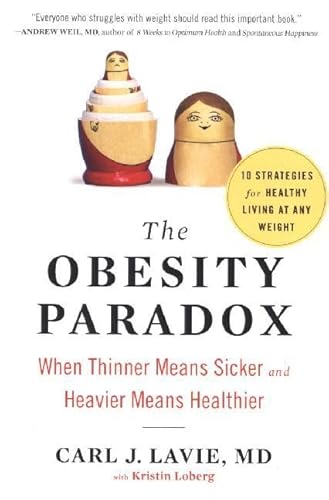
For decades, conventional wisdom has told us that excess weight inevitably leads to poor health outcomes and shortened lifespans. We've been conditioned to believe that the path to optimal health runs exclusively through weight loss, and that achieving a lower number on the scale should be our primary health objective. However, groundbreaking research from one of the nation's leading cardiologists reveals a startling truth that challenges everything we thought we knew about weight and wellness.
Drawing from extensive clinical studies and decades of cardiovascular research, this revelatory work exposes what medical science has quietly discovered but rarely discusses publicly: being overweight or even moderately obese may actually provide protective benefits for certain populations, particularly those with heart disease and other chronic conditions. This counterintuitive phenomenon, thoroughly documented in peer-reviewed medical literature, suggests that our obsessive focus on weight loss as the ultimate health goal may be not only misguided but potentially harmful.
Readers will discover compelling evidence showing that individuals with heart failure, coronary artery disease, and various other cardiovascular conditions often experience better outcomes and longer survival rates when they carry extra pounds compared to their thinner counterparts. This isn't simply correlation but a reproducible pattern observed across numerous large-scale studies involving hundreds of thousands of patients. The research reveals that the relationship between weight and health is far more nuanced and complex than the simplistic "thinner equals healthier" message we've been sold.
Read more ▼
Raquel Martin, D.C., Judi Gerstung
John Cianciosi

Hunt Henion
Daron Acemoglu, James A. Robinson
The quest for happiness often leads to frustration, as many fail to realize that the...

Reaching sixty can evoke complex emotions, blending relief with ongoing ambition. This...

The quest for life's purpose often leads to unsatisfactory answers. This article...

Romantic love is a complex emotion shaped by historical, cultural, and biological...

Imagine going through one of the most physically and emotionally demanding experiences...

Have you ever argued over something that wasn't actually said? From cultural differences...

Daily actions often conflict with personal beliefs due to past experiences. By utilizing...

Therapists often use dream interpretation to delve into patients' emotions, but true...