

















Happiness & Success
Achieving Happiness Through Acceptance of Life
The quest for happiness often leads to frustration, as many fail to realize that the...

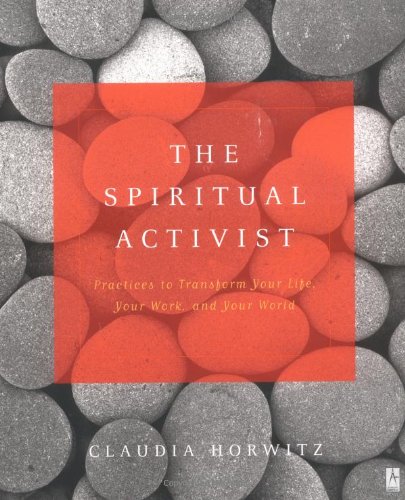
Bridging the gap between inner spiritual practice and outer social change work has never been more crucial than it is today. For those committed to creating a more just and equitable world, the journey often becomes overwhelming, leading to burnout, cynicism, and a sense of disconnection from the very values that inspired the work in the first place. This essential guide offers a transformative framework for sustaining activism through spiritual practice, demonstrating that personal transformation and social transformation are not separate paths but deeply intertwined aspects of meaningful change.
At the heart of this work lies a revolutionary premise: effective social change requires inner work. Drawing from years of experience supporting activists and change-makers, this resource presents practical wisdom for maintaining balance, clarity, and purpose while engaging in the challenging work of social justice. Rather than viewing spirituality as an escape from political realities or activism as separate from personal growth, readers discover how these dimensions naturally support and enhance each other.
The material explores how traditional spiritual practices including meditation, mindfulness, and contemplation can be adapted specifically for those engaged in social change work. These aren't abstract concepts divorced from daily reality but concrete tools for navigating the complex emotional landscape of activism. Readers learn techniques for managing the anger, frustration, and grief that inevitably arise when confronting injustice, while maintaining the compassion and hope necessary to continue the work over the long term.
Read more ▼
Political Protest and Cultural Revolution
Barbara Epstein
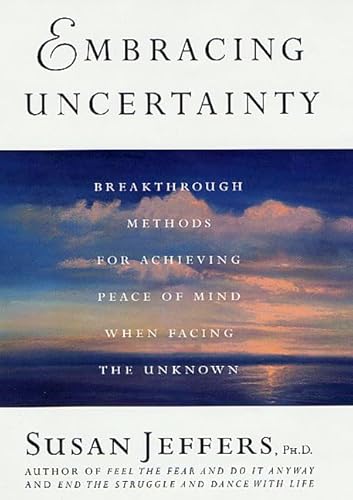
Susan J. Jeffers

Life Liberty and the Pursuit of Dao
Sam Crane

White Buffalo and the Rainbow Warrior
Elisha Gabriell
The quest for happiness often leads to frustration, as many fail to realize that the...

Reaching sixty can evoke complex emotions, blending relief with ongoing ambition. This...

The quest for life's purpose often leads to unsatisfactory answers. This article...

Imagine going through one of the most physically and emotionally demanding experiences...

Romantic love is a complex emotion shaped by historical, cultural, and biological...

Daily actions often conflict with personal beliefs due to past experiences. By utilizing...

Have you ever argued over something that wasn't actually said? From cultural differences...

Therapists often use dream interpretation to delve into patients' emotions, but true...