
Happiness & Success
Achieving Happiness Through Acceptance of Life
The quest for happiness often leads to frustration, as many fail to realize that the...








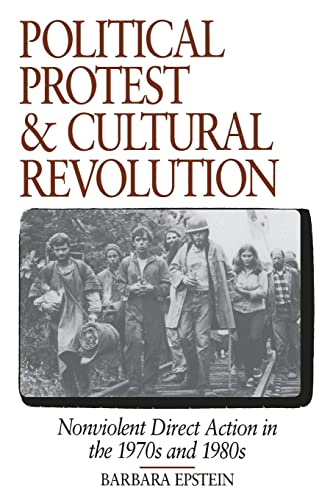
The tumultuous decades of the 1960s and 1970s witnessed an unprecedented explosion of political activism that fundamentally transformed American society and culture. This comprehensive examination explores how nonviolent direct action movements evolved from focused campaigns for civil rights and peace into a broader cultural revolution that challenged the very foundations of American life, from gender roles to personal relationships, from community structures to spiritual practices.
At the heart of this exploration lies a profound question: How did movements initially organized around specific political goals like ending segregation and opposing the Vietnam War expand into a wholesale questioning of American values, lifestyles, and consciousness itself? Readers will discover the intricate connections between political organizing and personal transformation, understanding how activists came to believe that authentic social change required not just new policies but fundamentally different ways of living, relating, and being in the world.
The narrative traces the remarkable journey of the New Left, beginning with its roots in the civil rights movement and early antiwar organizing. Early activists employed traditional protest methods—demonstrations, sit-ins, voter registration drives—with clearly defined objectives. Yet as these movements gained momentum and faced both successes and setbacks, participants increasingly recognized that political change alone could not address the deeper sources of oppression, alienation, and violence they perceived in American society. This realization sparked what many called a "prefigurative politics"—the belief that activists must embody in their own lives and organizations the values and social relations they hoped to create in society at large.
Read more ▼
Robert B. Talisse

Лев Толстой
Jennice Vilhauer
Outliers: The Story of Success
Malcolm Gladwell, Malcolm Gladwell
The quest for happiness often leads to frustration, as many fail to realize that the...

Reaching sixty can evoke complex emotions, blending relief with ongoing ambition. This...

The quest for life's purpose often leads to unsatisfactory answers. This article...

Romantic love is a complex emotion shaped by historical, cultural, and biological...

Imagine going through one of the most physically and emotionally demanding experiences...

Daily actions often conflict with personal beliefs due to past experiences. By utilizing...

Have you ever argued over something that wasn't actually said? From cultural differences...

Therapists often use dream interpretation to delve into patients' emotions, but true...