
Happiness & Success
Achieving Happiness Through Acceptance of Life
The quest for happiness often leads to frustration, as many fail to realize that the...








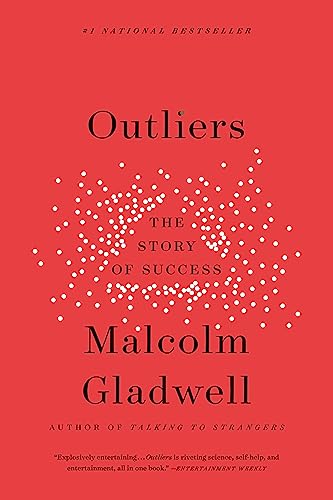
Success is not simply a product of individual merit, intelligence, or ambition. This groundbreaking exploration into the hidden forces that shape achievement reveals how cultural legacies, historical moments, arbitrary dates, and systemic advantages create the conditions for extraordinary accomplishment. For readers committed to understanding the deeper structures of society and advocating for more equitable systems, this work provides essential insights into how opportunity is distributed and how talent is either nurtured or neglected based on factors far beyond individual control.
At the heart of this investigation lies a provocative question: Why do some people succeed far beyond ordinary expectations while others with equal talent never reach their potential? The answer challenges the deeply embedded mythology of the self-made individual, revealing instead that success emerges from a complex web of advantages, opportunities, and cultural inheritances. Through compelling stories and rigorous research, readers discover how birthdate cutoffs in youth sports create cascading advantages, how the number of hours dedicated to practice matters more than innate gifts, and how cultural attitudes toward work and authority passed down through generations shape everything from academic achievement to airline safety records.
The exploration begins with patterns that seem coincidental but reveal systematic advantages. Elite hockey players, it turns out, are disproportionately born in the first few months of the year, not because of astrological influence but because age cutoff dates in youth leagues mean those born earlier in the year are bigger and more coordinated than their younger peers. This slight initial advantage leads to better coaching, more ice time, and enhanced confidence, creating a self-fulfilling prophecy of success. This same pattern repeats across domains, demonstrating how small, arbitrary advantages compound over time into enormous differences in outcome.
Read more ▼
E. M. Forster

Matthew C. Klein, Michael Pettis

Stuart Alve Olson
The 9 Steps to Financial Freedom
Suze Orman
The quest for happiness often leads to frustration, as many fail to realize that the...

Reaching sixty can evoke complex emotions, blending relief with ongoing ambition. This...

The quest for life's purpose often leads to unsatisfactory answers. This article...

Romantic love is a complex emotion shaped by historical, cultural, and biological...

Imagine going through one of the most physically and emotionally demanding experiences...

Daily actions often conflict with personal beliefs due to past experiences. By utilizing...

Have you ever argued over something that wasn't actually said? From cultural differences...

Therapists often use dream interpretation to delve into patients' emotions, but true...