

















Happiness & Success
Achieving Happiness Through Acceptance of Life
The quest for happiness often leads to frustration, as many fail to realize that the...

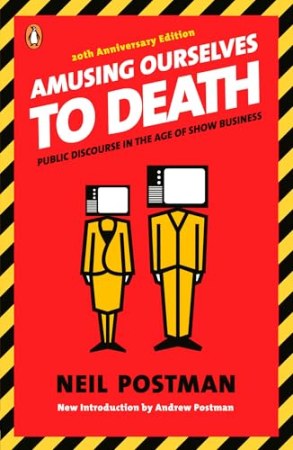
Television and electronic media promised to revolutionize democracy by bringing information and enlightenment to every household. Instead, what emerged was something far more insidious: a culture where serious public discourse dissolved into entertainment, where complexity gave way to sound bites, and where the very definition of truth became subordinate to what amuses us. This penetrating analysis reveals how the shift from a print-based culture to an image-based culture fundamentally altered not just how we communicate, but how we think, process information, and engage with reality itself.
At the heart of this examination lies a provocative thesis: the medium through which we receive information is not neutral. Different technologies of communication favor different kinds of content and ways of thinking. The written word, which dominated public discourse from the colonial era through the nineteenth century, demanded sustained attention, logical thinking, and the ability to follow complex arguments. Political debates lasted hours, books were the primary source of knowledge, and citizens engaged with ideas at a depth that seems almost unimaginable today.
The transformation that occurred with the rise of television and electronic media represents more than a simple change in how information travels. It represents a fundamental restructuring of consciousness itself. When entertainment becomes the primary format for all public discourse, including news, education, politics, and religion, the very nature of what can be communicated changes. Complex ideas that require sustained attention and analytical thinking cannot survive in a medium that demands constant stimulation, visual appeal, and emotional engagement measured in seconds rather than hours.
Read more ▼
Ronald Goodman, Alan Seeger

Hermann Hesse

The Extremely Busy Woman's Guide to Self-Care
Suzanne Falter

Elizabeth Whiter
The quest for happiness often leads to frustration, as many fail to realize that the...

Reaching sixty can evoke complex emotions, blending relief with ongoing ambition. This...

The quest for life's purpose often leads to unsatisfactory answers. This article...

Imagine going through one of the most physically and emotionally demanding experiences...

Romantic love is a complex emotion shaped by historical, cultural, and biological...

Daily actions often conflict with personal beliefs due to past experiences. By utilizing...

Have you ever argued over something that wasn't actually said? From cultural differences...

Therapists often use dream interpretation to delve into patients' emotions, but true...