













Happiness & Success
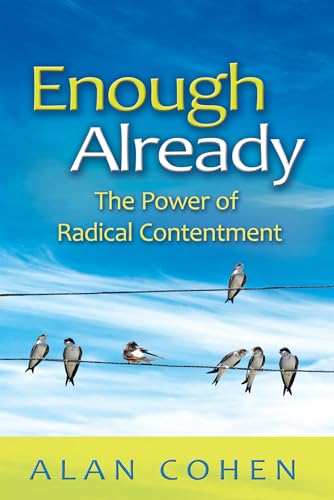
Achieving Happiness Through Acceptance of Life
The quest for happiness often leads to frustration, as many fail to realize that the...

Blame is perhaps one of the most destructive forces in human relationships, yet it remains a reflexive response for most people when things go wrong. This groundbreaking work explores the psychological mechanisms behind blame and offers readers a transformative pathway toward healthier, more authentic connections with others and themselves.
At its core, this exploration challenges readers to recognize how blame serves as a defensive shield that protects the ego while simultaneously damaging relationships and preventing genuine growth. When something goes wrong in life, whether in romantic partnerships, family dynamics, workplace situations, or friendships, the immediate impulse to point fingers and assign fault creates a toxic cycle that keeps everyone stuck in patterns of resentment, anger, and disconnection. By understanding the deeper psychological needs that blame fulfills, readers gain insight into why this behavior is so pervasive and difficult to overcome.
The material draws from decades of clinical experience and psychological research to illuminate how blame operates on both conscious and unconscious levels. Readers discover that blame is not just about the surface-level arguments and accusations that erupt during conflicts. Instead, it represents a fundamental avoidance of personal responsibility and the uncomfortable emotions that come with acknowledging our own contributions to problems. This avoidance might provide temporary relief, but it comes at an enormous cost to personal integrity and relationship quality.
Read more ▼
Marc Allen

Margaret Alic

David French, Sean Patrick Hopkins
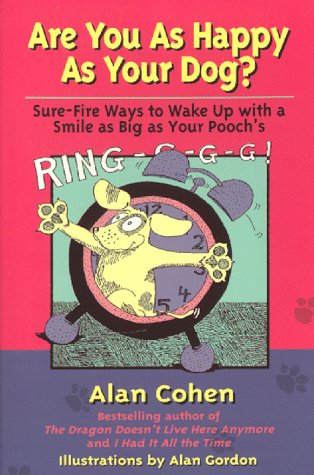
Are You As Happy As Your Dog ?
Alan Cohen
The quest for happiness often leads to frustration, as many fail to realize that the...

Reaching sixty can evoke complex emotions, blending relief with ongoing ambition. This...

The quest for life's purpose often leads to unsatisfactory answers. This article...

Imagine going through one of the most physically and emotionally demanding experiences...

Romantic love is a complex emotion shaped by historical, cultural, and biological...

Daily actions often conflict with personal beliefs due to past experiences. By utilizing...

Have you ever argued over something that wasn't actually said? From cultural differences...

Therapists often use dream interpretation to delve into patients' emotions, but true...