

















Happiness & Success
Achieving Happiness Through Acceptance of Life
The quest for happiness often leads to frustration, as many fail to realize that the...

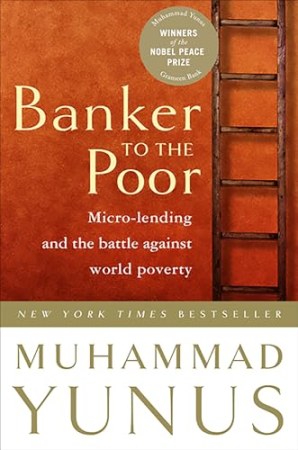
Imagine discovering that the solution to poverty doesn't lie in handouts or charity, but in recognizing the untapped potential and entrepreneurial spirit that exists in every human being, regardless of their economic circumstances. This revolutionary autobiography tells the story of how one economist's simple act of lending twenty-seven dollars to forty-two villagers in Bangladesh sparked a global movement that would fundamentally change how we think about poverty, banking, and human dignity.
The narrative begins in the mid-1970s during a devastating famine, when traditional economic theories proved utterly useless in the face of real human suffering. Walking through impoverished villages, the realization dawned that people weren't poor because they lacked intelligence, skills, or work ethic. They were trapped in poverty because the financial system excluded them entirely. Without access to even tiny amounts of capital, talented artisans and industrious workers remained shackled to loan sharks who charged unconscionable interest rates, ensuring they could never break free from the cycle of destitution.
What unfolds is a masterclass in personal empowerment through the lens of economic innovation. Readers discover how challenging conventional wisdom and trusting in people's inherent capabilities can create profound transformation. The concept of microcredit emerged from a simple belief: poor people are creditworthy. They possess skills, dreams, and determination. What they lack is opportunity and trust from the financial establishment. By extending small loans without collateral, a new model emerged that would eventually reach millions of people worldwide.
Read more ▼
Marcelle Pick
Desmond Tutu
The quest for happiness often leads to frustration, as many fail to realize that the...

Reaching sixty can evoke complex emotions, blending relief with ongoing ambition. This...

The quest for life's purpose often leads to unsatisfactory answers. This article...

Imagine going through one of the most physically and emotionally demanding experiences...

Romantic love is a complex emotion shaped by historical, cultural, and biological...

Daily actions often conflict with personal beliefs due to past experiences. By utilizing...

Have you ever argued over something that wasn't actually said? From cultural differences...

Therapists often use dream interpretation to delve into patients' emotions, but true...