















Happiness & Success
Achieving Happiness Through Acceptance of Life
The quest for happiness often leads to frustration, as many fail to realize that the...

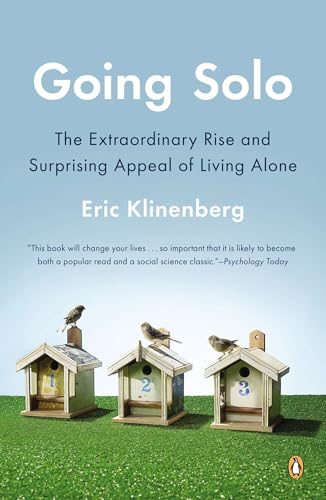
Living alone is no longer a marginal lifestyle choice or a temporary state between relationships. It has become one of the most significant social transformations of our time, reshaping cities, economies, relationships, and our understanding of what constitutes a fulfilling life. Through rigorous research and compelling human stories, this groundbreaking work examines why more people than ever before are choosing to live solo and what this shift means for personal empowerment, community, and human connection.
Drawing on hundreds of in-depth interviews, demographic analysis, and cultural observations, readers will discover how the rise of solo living represents far more than simple isolation or loneliness. Instead, it reflects profound changes in how we approach personal growth, self-discovery, and the construction of meaningful lives. From young professionals establishing themselves in vibrant urban centers to older adults reclaiming independence after decades of caregiving, the spectrum of solo living encompasses diverse motivations, circumstances, and outcomes that challenge conventional wisdom about human needs and happiness.
One of the most valuable insights readers will gain is understanding the crucial distinction between living alone and being lonely. The research presented demonstrates that solo dwellers often maintain rich social networks, engage more frequently in community activities, and develop stronger connections with friends and neighbors than their married counterparts. This challenges the persistent stigma that surrounds living alone, particularly for women, and offers validation for those who have chosen or found themselves in this arrangement. The exploration reveals how solitude can serve as a powerful catalyst for self-knowledge, creativity, and personal transformation when embraced intentionally rather than endured reluctantly.
Read more ▼
Eknath Easwaran

Abraham Joshua Heschel

Kathy Cordova
The quest for happiness often leads to frustration, as many fail to realize that the...

Reaching sixty can evoke complex emotions, blending relief with ongoing ambition. This...

The quest for life's purpose often leads to unsatisfactory answers. This article...

Imagine going through one of the most physically and emotionally demanding experiences...

Romantic love is a complex emotion shaped by historical, cultural, and biological...

Daily actions often conflict with personal beliefs due to past experiences. By utilizing...

Have you ever argued over something that wasn't actually said? From cultural differences...

Therapists often use dream interpretation to delve into patients' emotions, but true...