
















Happiness & Success
Achieving Happiness Through Acceptance of Life
The quest for happiness often leads to frustration, as many fail to realize that the...

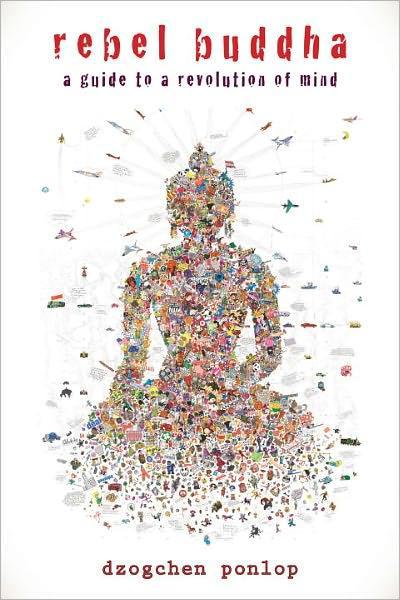
Buddhism has long been associated with peaceful meditation, serene monasteries, and gentle acceptance. But what if the original spirit of Buddhist practice was far more radical, rebellious, and revolutionary than the calm, sanitized version often presented in the West? What if the Buddha himself was the ultimate rebel, challenging every assumption about reality, identity, and the nature of mind itself?
This provocative exploration invites readers to discover an approach to Buddhist wisdom that cuts through religious dogma, New Age wishful thinking, and spiritual materialism to reveal something far more transformative and immediate. Rather than encouraging passive acceptance or otherworldly escape, these teachings present a path of courageous inquiry that questions everything we believe about ourselves and our experience.
At the heart of this approach lies a revolutionary idea: that our usual sense of self, the "I" we assume is solid and real, is actually a construct, a habit of mind that creates endless suffering and limitation. This isn't presented as abstract philosophy but as something readers can investigate directly in their own experience. Through clear explanation and practical guidance, the teachings show how our confusion about who we are leads to a constant cycle of hope and fear, grasping and rejection, that colors every moment of our lives.
Read more ▼
The quest for happiness often leads to frustration, as many fail to realize that the...

Reaching sixty can evoke complex emotions, blending relief with ongoing ambition. This...

The quest for life's purpose often leads to unsatisfactory answers. This article...

Have you ever argued over something that wasn't actually said? From cultural differences...

Romantic love is a complex emotion shaped by historical, cultural, and biological...

Imagine going through one of the most physically and emotionally demanding experiences...

Daily actions often conflict with personal beliefs due to past experiences. By utilizing...

Therapists often use dream interpretation to delve into patients' emotions, but true...