



Happiness & Success
Achieving Happiness Through Acceptance of Life
The quest for happiness often leads to frustration, as many fail to realize that the...

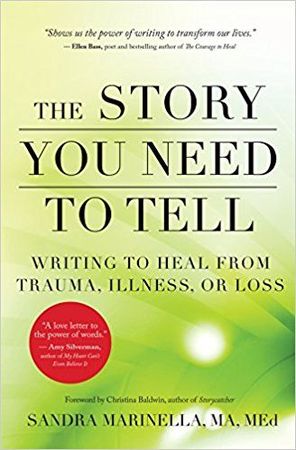
Writing has the power to heal. When we put pen to paper and tell our stories—especially the difficult ones we've been carrying in silence—we open pathways to understanding, release, and transformation that few other practices can provide. This practical guide reveals how expressive writing can become a powerful tool for processing trauma, finding meaning in hardship, and ultimately reclaiming personal narrative from the grip of painful experiences.
The foundation of this approach rests on decades of scientific research demonstrating that writing about emotional upheavals can significantly improve both psychological and physical health. Studies have shown that people who engage in structured expressive writing experience reduced stress, improved immune function, better sleep, and enhanced emotional well-being. Yet knowing these benefits and actually accessing them are two different things. What makes this resource invaluable is its translation of academic research into accessible, compassionate guidance that anyone can follow.
At the heart of this work lies a simple but profound truth: everyone has a story that needs to be told. These are the experiences that haunt us, the memories we replay, the wounds that haven't quite healed, and the losses we struggle to accept. Whether dealing with childhood trauma, relationship dissolution, illness, grief, or any of life's countless challenges, we often carry these burdens in silence, believing we should be "over it" by now or that our pain doesn't deserve attention. This guide challenges that notion and offers permission to explore the unfinished emotional business that affects our present-day lives.
Read more ▼
Tara Brach, Cassandra Campbell, Alejandro Pareja Rodríguez
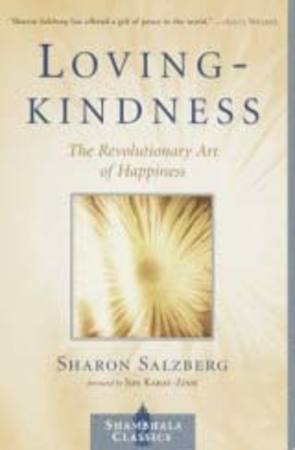
Sharon Salzberg
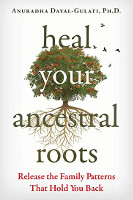
Anuradha Dayal-Gulati
The quest for happiness often leads to frustration, as many fail to realize that the...

Reaching sixty can evoke complex emotions, blending relief with ongoing ambition. This...

The quest for life's purpose often leads to unsatisfactory answers. This article...

Romantic love is a complex emotion shaped by historical, cultural, and biological...

Imagine going through one of the most physically and emotionally demanding experiences...

Have you ever argued over something that wasn't actually said? From cultural differences...

Daily actions often conflict with personal beliefs due to past experiences. By utilizing...

Therapists often use dream interpretation to delve into patients' emotions, but true...