











Happiness & Success
Achieving Happiness Through Acceptance of Life
The quest for happiness often leads to frustration, as many fail to realize that the...

Addiction remains one of the most misunderstood and stigmatized conditions in modern society, yet it touches millions of lives either directly or through loved ones who struggle with substance dependence. Drawing on decades of clinical experience and cutting-edge neuroscience research, this groundbreaking work offers a compassionate, scientifically grounded approach to understanding addiction as a brain disease rather than a moral failing or character weakness.
At the heart of this comprehensive guide lies a fundamental truth that transforms how we view addiction: it is a chronic medical condition rooted in changes to brain chemistry and neural pathways, not simply a matter of willpower or poor choices. Through accessible explanations of complex neurological processes, readers gain insight into how substances hijack the brain's reward system, creating powerful cravings and compulsive behaviors that override rational decision-making. This scientific framework removes shame from the equation and opens pathways to effective treatment and lasting recovery.
The exploration begins with an illuminating look at how the brain functions normally and what happens when addictive substances enter the picture. Detailed yet understandable descriptions reveal how drugs and alcohol alter neurotransmitter activity, particularly affecting dopamine pathways associated with pleasure, motivation, and reward. These changes explain why addiction involves far more than simply enjoying a substance—it fundamentally rewires neural circuits in ways that make abstinence extraordinarily difficult without proper support and intervention.
Read more ▼
Psychiatry and the Spirit World
Alan Sanderson, Edith Fiore
Barry Neil Kaufman
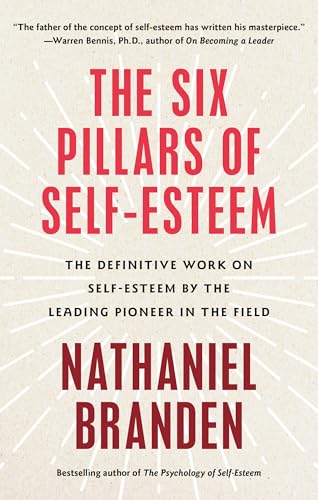
The six pillars of self-esteem
Nathaniel Branden
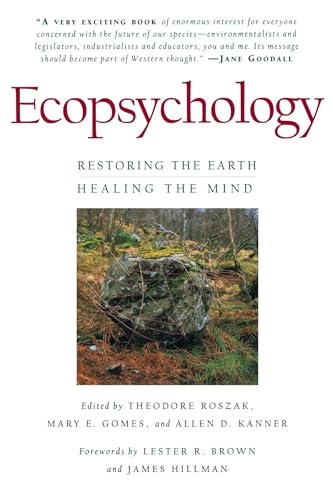
Roszak, Theodore, Mary E. Gomes, Allen D. Kanner
The quest for happiness often leads to frustration, as many fail to realize that the...

Reaching sixty can evoke complex emotions, blending relief with ongoing ambition. This...

The quest for life's purpose often leads to unsatisfactory answers. This article...

Romantic love is a complex emotion shaped by historical, cultural, and biological...

Imagine going through one of the most physically and emotionally demanding experiences...

Have you ever argued over something that wasn't actually said? From cultural differences...

Daily actions often conflict with personal beliefs due to past experiences. By utilizing...

Therapists often use dream interpretation to delve into patients' emotions, but true...