













Happiness & Success
Achieving Happiness Through Acceptance of Life
The quest for happiness often leads to frustration, as many fail to realize that the...

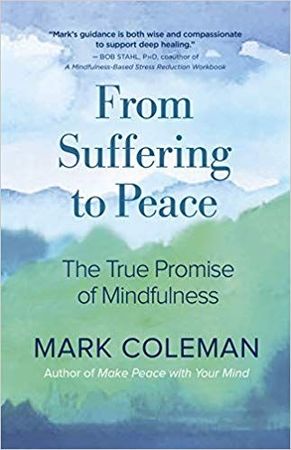
Suffering is an inescapable part of the human experience, yet most of us have never learned how to work with it skillfully. We spend enormous energy trying to avoid pain, distract ourselves from discomfort, or push away difficult emotions, only to find that our resistance creates even more suffering. What if there were a different way? What if the path through pain could actually lead to profound peace, freedom, and transformation?
This groundbreaking guide offers a radical yet compassionate approach to one of life's most challenging aspects. Drawing on decades of meditation practice, mindfulness teaching, and deep study of Buddhist psychology, readers are invited to discover how awareness itself can transform our relationship with suffering. Rather than offering quick fixes or positive thinking platitudes, this work presents time-tested wisdom combined with practical exercises that create lasting change.
At the heart of this transformative approach lies a powerful truth: suffering is not just about painful events that happen to us, but about how we relate to those events. Through mindfulness and compassionate awareness, we can learn to meet difficulty without adding layers of resistance, judgment, and reactivity that amplify our pain. This fundamental shift in perspective opens up possibilities for healing that many never imagined possible.
Read more ▼
Brian Smith, Mary Smith

Matthew McKay

George E. Vaillant

Bill Kovach
The quest for happiness often leads to frustration, as many fail to realize that the...

Reaching sixty can evoke complex emotions, blending relief with ongoing ambition. This...

The quest for life's purpose often leads to unsatisfactory answers. This article...

Imagine going through one of the most physically and emotionally demanding experiences...

Romantic love is a complex emotion shaped by historical, cultural, and biological...

Daily actions often conflict with personal beliefs due to past experiences. By utilizing...

Have you ever argued over something that wasn't actually said? From cultural differences...

Therapists often use dream interpretation to delve into patients' emotions, but true...