







Happiness & Success
Achieving Happiness Through Acceptance of Life
The quest for happiness often leads to frustration, as many fail to realize that the...

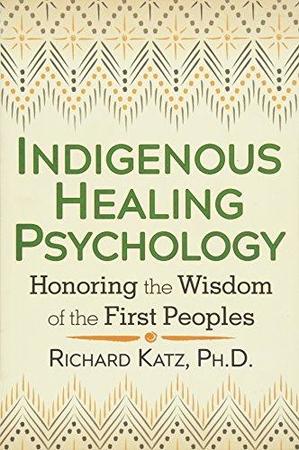
For thousands of years, indigenous cultures around the world have maintained healing traditions that address not just physical ailments, but the interconnected dimensions of human wellness—spirit, mind, emotion, and body. These time-tested approaches offer profound insights into what it means to be truly whole, insights that modern psychology and medicine are only beginning to recognize and value. By exploring healing practices from communities spanning the Kalahari Desert to the Amazon rainforest, from Native American traditions to Aboriginal Australian wisdom, a revolutionary framework emerges that challenges Western assumptions about mental health, community, and the healing process itself.
At the heart of indigenous healing psychology lies a fundamental understanding that wellness cannot be separated from connection—connection to community, to ancestors, to the natural world, and to the sacred. Where Western psychology often focuses on the individual psyche in isolation, indigenous approaches recognize that healing happens within relationships and through participation in something larger than oneself. This perspective offers a powerful antidote to the isolation and fragmentation that characterize so much modern suffering.
Readers will discover how indigenous healers work with altered states of consciousness, ritual, ceremony, and direct spiritual experience as therapeutic tools. These aren't primitive superstitions but sophisticated methodologies for accessing deeper levels of awareness and facilitating transformation. The exploration reveals how practices like trance dancing, vision quests, plant medicine ceremonies, and community healing rituals create conditions for profound psychological and spiritual change—changes that conventional therapeutic approaches often struggle to achieve.
Read more ▼
Why Is Cancer Killing Our Pets?
Deborah Straw
Kensington
David Elliott

Edgar Cayce Handbook for Health Through Drugless Therapy
Reilly, Harold, Brod, Ruth Hagy
The quest for happiness often leads to frustration, as many fail to realize that the...

Reaching sixty can evoke complex emotions, blending relief with ongoing ambition. This...

The quest for life's purpose often leads to unsatisfactory answers. This article...

Imagine going through one of the most physically and emotionally demanding experiences...

Romantic love is a complex emotion shaped by historical, cultural, and biological...

Daily actions often conflict with personal beliefs due to past experiences. By utilizing...

Have you ever argued over something that wasn't actually said? From cultural differences...

Therapists often use dream interpretation to delve into patients' emotions, but true...