



Happiness & Success
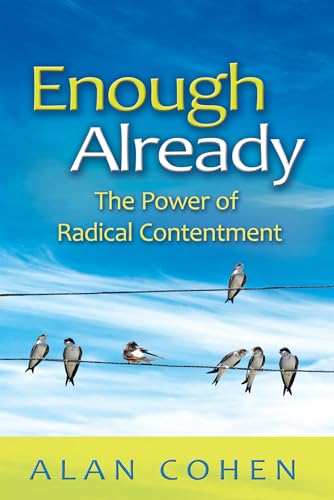
Achieving Happiness Through Acceptance of Life
The quest for happiness often leads to frustration, as many fail to realize that the...

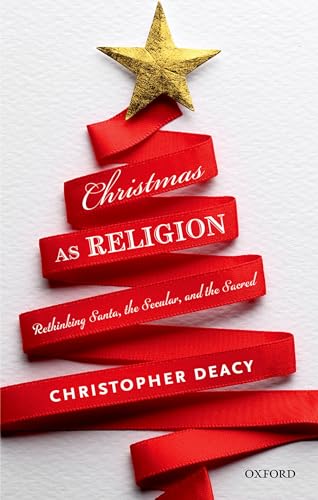
Few cultural phenomena shape our collective consciousness quite like the December holiday season, yet rarely do we pause to examine the profound spiritual and existential significance embedded within these annual rituals. This groundbreaking exploration invites readers to reconsider everything they thought they knew about the winter celebration that dominates Western culture, revealing how secular holiday practices function as genuine expressions of religious sentiment and spiritual yearning in contemporary society.
At its core, this work challenges the artificial boundary between sacred and secular that pervades modern thinking. Through meticulous research and compelling argumentation, readers discover how activities typically dismissed as commercialized or superficial—decorating homes, exchanging gifts, gathering for festive meals, watching beloved films—actually serve deeply religious functions in people's lives. These practices create meaning, foster community, mark sacred time, and address fundamental questions about human existence, connection, and transcendence.
The analysis draws from theology, film studies, sociology, and cultural theory to demonstrate that what happens during the holiday season cannot be adequately understood through conventional religious frameworks alone. Instead, the season operates as a form of "implicit religion," where spiritual needs and theological impulses find expression outside traditional institutional structures. This perspective proves particularly relevant for those who identify as spiritual but not religious, offering validation that their holiday observances carry genuine spiritual weight even when disconnected from church attendance or orthodox belief.
Read more ▼
Janet Conner
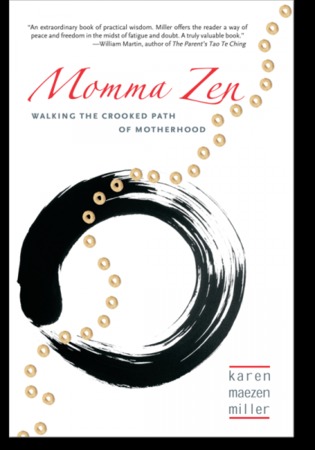
Karen Maezen Miller
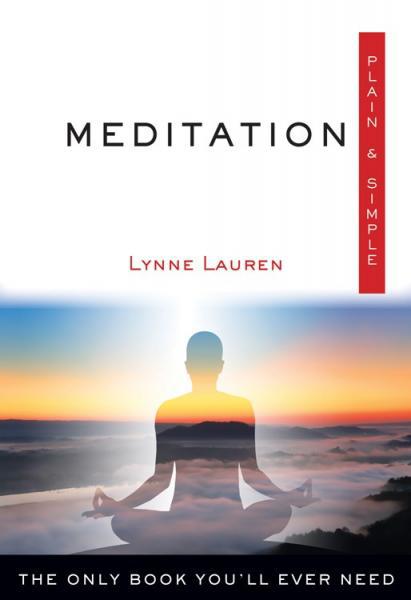
Lynne Lauren
The quest for happiness often leads to frustration, as many fail to realize that the...

Reaching sixty can evoke complex emotions, blending relief with ongoing ambition. This...

The quest for life's purpose often leads to unsatisfactory answers. This article...

Imagine going through one of the most physically and emotionally demanding experiences...

Romantic love is a complex emotion shaped by historical, cultural, and biological...

Daily actions often conflict with personal beliefs due to past experiences. By utilizing...

Have you ever argued over something that wasn't actually said? From cultural differences...

Therapists often use dream interpretation to delve into patients' emotions, but true...