











Happiness & Success
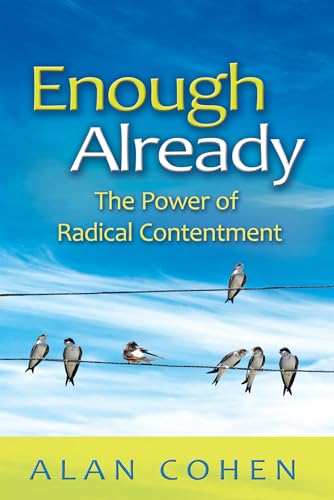
Achieving Happiness Through Acceptance of Life
The quest for happiness often leads to frustration, as many fail to realize that the...


Every day, millions of people make seemingly simple transportation choices that ripple outward in ways they rarely consider. The decision to hop on a bicycle instead of into a car carries profound economic implications that extend far beyond the individual rider. This exploration of bicycle economics reveals how two-wheeled transportation represents not just a lifestyle choice, but a powerful economic force capable of transforming communities, personal finances, and society at large.
At first glance, the economics of cycling might seem straightforward: bicycles cost less than cars, require no fuel, and demand minimal maintenance. Yet the true economic story runs much deeper, touching on urban planning, public health, social equity, environmental sustainability, and the very structure of how we build our communities and allocate our resources. Through careful analysis and compelling real-world examples, readers discover how the simple act of pedaling creates wealth, builds resilient local economies, and offers solutions to seemingly intractable economic challenges.
The financial burden of car ownership represents one of the largest expenses in most households, often second only to housing. When examining the full costs including purchase price, insurance, fuel, maintenance, parking, and the indirect costs of road infrastructure, the numbers become staggering. Meanwhile, cycling offers an economically liberating alternative that frees up thousands of dollars annually for individuals and families. This shift in personal spending patterns has cascading effects throughout local economies, as money once funneled to distant oil companies and multinational auto manufacturers instead circulates within communities.
Read more ▼
Alex Gallo-Brown
What's the matter with Kansas?
Thomas Frank, Mireya Hernández Pozuelo, Slavoj Žižek
Rebecca Giblin, Cory Doctorow
Eric Klein, John Izzo
The quest for happiness often leads to frustration, as many fail to realize that the...

Reaching sixty can evoke complex emotions, blending relief with ongoing ambition. This...

The quest for life's purpose often leads to unsatisfactory answers. This article...

Romantic love is a complex emotion shaped by historical, cultural, and biological...

Imagine going through one of the most physically and emotionally demanding experiences...

Have you ever argued over something that wasn't actually said? From cultural differences...

Daily actions often conflict with personal beliefs due to past experiences. By utilizing...

Therapists often use dream interpretation to delve into patients' emotions, but true...