

















Happiness & Success
Achieving Happiness Through Acceptance of Life
The quest for happiness often leads to frustration, as many fail to realize that the...


Understanding the intricate relationship between environmental degradation and corporate power reveals a pathway toward authentic harmonious living that extends far beyond personal choices into the realm of collective responsibility. This powerful examination exposes how industrial polluters have systematically dismantled environmental protections that safeguard not only pristine wilderness but the air we breathe, the water we drink, and the food that nourishes our bodies.
Readers embarking on this journey will discover how democratic institutions meant to protect public health and natural resources have been compromised through calculated political manipulation and corporate influence. The narrative unveils disturbing patterns of regulatory capture, where agencies designed to serve the public interest have instead become vehicles for advancing private profit at the expense of communities and ecosystems. Through meticulously documented evidence, a compelling case emerges showing how polluters have gained unprecedented access to governmental decision-making processes, effectively writing the rules that are supposed to regulate their own harmful activities.
What makes this exploration particularly relevant for those seeking conscious living is its revelation of how environmental destruction directly impacts personal health and spiritual wellbeing. The contamination of waterways, the poisoning of air quality, and the introduction of toxic substances into food chains are not abstract policy issues but immediate threats to bodily integrity and quality of life. Understanding these connections empowers readers to recognize that personal wellness cannot be separated from planetary wellness, that individual health exists within the broader context of ecological health.
Read more ▼
David R. Montgomery, David R. Montgomery, Anne Biklé
Margaret Smith Peet, Shoshana Zimmerman
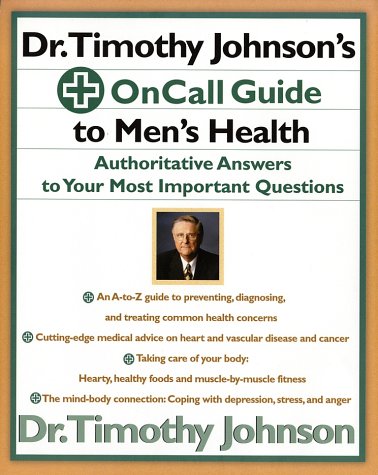
Dr. Timothy Johnson's oncall guide to men's health
G. Timothy Johnson

Michael J. Cohen
The quest for happiness often leads to frustration, as many fail to realize that the...

Reaching sixty can evoke complex emotions, blending relief with ongoing ambition. This...

The quest for life's purpose often leads to unsatisfactory answers. This article...

Imagine going through one of the most physically and emotionally demanding experiences...

Romantic love is a complex emotion shaped by historical, cultural, and biological...

Daily actions often conflict with personal beliefs due to past experiences. By utilizing...

Have you ever argued over something that wasn't actually said? From cultural differences...

Therapists often use dream interpretation to delve into patients' emotions, but true...