




Happiness & Success
Achieving Happiness Through Acceptance of Life
The quest for happiness often leads to frustration, as many fail to realize that the...

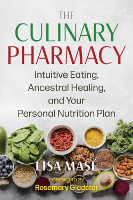
Imagine walking through your kitchen with the eyes of both a chef and an herbalist, recognizing that the ingredients on your shelves hold profound healing potential waiting to be unlocked. This transformative guide bridges the ancient wisdom of herbal medicine with the everyday art of cooking, empowering readers to become their own healers through the conscious preparation and consumption of nourishing foods and herbs.
At its core, this work reveals how our kitchens can become apothecaries and our meals can serve as medicine. Drawing from traditional healing systems including Ayurveda, Traditional Chinese Medicine, and Western herbalism, readers discover how to harness the therapeutic properties of common culinary herbs, spices, vegetables, and other ingredients already familiar to most home cooks. The approach demystifies herbal medicine by showing how healing begins not with complicated protocols or expensive supplements, but with mindful choices made three times daily at the dining table.
The educational journey begins with foundational knowledge about herbal energetics, teaching readers to understand herbs and foods through their tastes, temperatures, and effects on the body's systems. This framework allows anyone to begin recognizing patterns of imbalance in themselves and their loved ones, and to respond appropriately with targeted culinary choices. Rather than memorizing endless lists of herbs and their uses, readers learn an intuitive system for understanding how different plants and foods interact with human physiology.
Read more ▼
Wayne Teasdale
Dan Millman
Doris Wild Helmering
Jane Delaford Taylor and Manoj Vijayan.
The quest for happiness often leads to frustration, as many fail to realize that the...

Reaching sixty can evoke complex emotions, blending relief with ongoing ambition. This...

The quest for life's purpose often leads to unsatisfactory answers. This article...

Imagine going through one of the most physically and emotionally demanding experiences...

Romantic love is a complex emotion shaped by historical, cultural, and biological...

Daily actions often conflict with personal beliefs due to past experiences. By utilizing...

Have you ever argued over something that wasn't actually said? From cultural differences...

Therapists often use dream interpretation to delve into patients' emotions, but true...