













Happiness & Success
Achieving Happiness Through Acceptance of Life
The quest for happiness often leads to frustration, as many fail to realize that the...

Behind the carefully curated headlines, the viral social media posts, and the 24-hour news cycle lies a powerful machinery that shapes how we see our world, our leaders, and ourselves. This penetrating examination reveals how modern media organizations have evolved into formidable entities that don't merely report on political reality—they actively construct it, frame it, and often distort it in ways that profoundly affect democratic governance and civic life.
At the heart of this exploration is a crucial question for anyone committed to conscious citizenship: How did we arrive at a point where media organizations wield such extraordinary influence over political discourse, often prioritizing sensationalism, conflict, and entertainment value over substantive democratic dialogue? The transformation of news media from public service institutions into profit-driven entertainment enterprises has fundamentally altered the relationship between citizens, their representatives, and the truth itself.
Readers will discover how contemporary media practices have created a toxic ecosystem where politicians are forced to become performers, constantly managing their image and crafting soundbites rather than engaging in meaningful policy deliberation. The spotlight falls on specific techniques and strategies that turn serious political issues into spectacle—from the way election coverage resembles sports commentary to how complex policy debates get reduced to personal conflicts and scandalous revelations. These practices don't just trivialize politics; they actively undermine the informed citizenry that democracy requires to function.
Read more ▼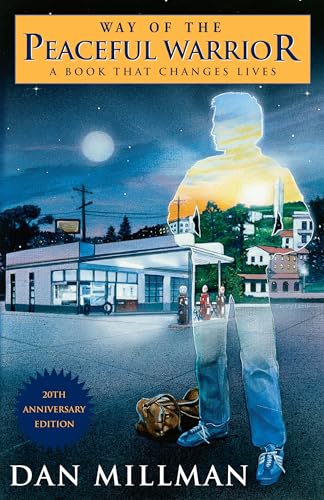
Dan Millman

The Descent of Man, and Selection in Relation to Sex
Charles Darwin
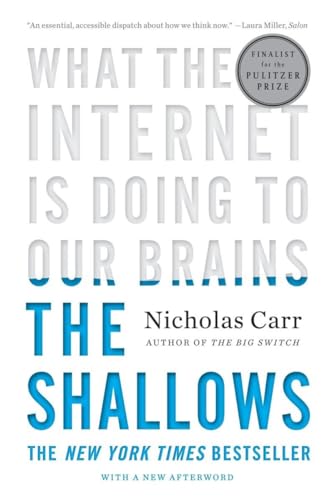
Nicholas Carr
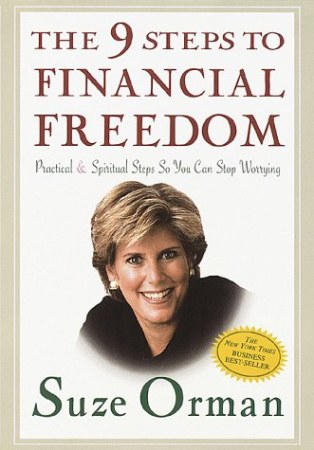
The nine steps to financial freedom
Suze Orman
The quest for happiness often leads to frustration, as many fail to realize that the...

Reaching sixty can evoke complex emotions, blending relief with ongoing ambition. This...

The quest for life's purpose often leads to unsatisfactory answers. This article...

Romantic love is a complex emotion shaped by historical, cultural, and biological...

Imagine going through one of the most physically and emotionally demanding experiences...

Have you ever argued over something that wasn't actually said? From cultural differences...

Daily actions often conflict with personal beliefs due to past experiences. By utilizing...

Therapists often use dream interpretation to delve into patients' emotions, but true...