
















Happiness & Success
Achieving Happiness Through Acceptance of Life
The quest for happiness often leads to frustration, as many fail to realize that the...

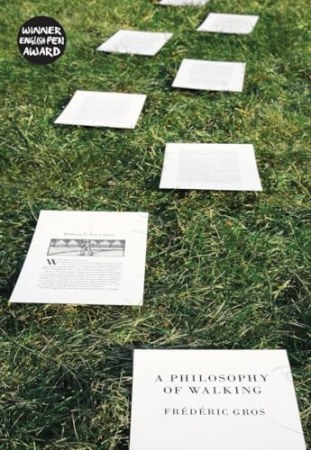
Walking represents one of humanity's oldest and most fundamental activities, yet in our modern world of constant digital distraction and sedentary lifestyles, we have largely forgotten its profound transformative power. This illuminating exploration reveals how the simple act of putting one foot in front of another can become a pathway to enhanced physical health, mental clarity, spiritual awakening, and a deeper understanding of our place in the world.
Through a masterful blend of philosophy, history, literature, and personal reflection, readers discover how walking serves as far more than mere physical exercise. It emerges as a complete practice for cultivating presence, processing difficult emotions, generating creative insights, and reconnecting with both our inner landscape and the natural world around us. The work draws upon the experiences and writings of history's great walkers and thinkers, from Rousseau and Nietzsche to Thoreau and Rimbaud, demonstrating how footsteps have historically accompanied humanity's deepest contemplations and most revolutionary ideas.
The exploration begins with an examination of walking's unique capacity to quiet the mind's incessant chatter. Unlike more intense forms of exercise that demand our full attention, walking establishes a gentle rhythm that allows thoughts to flow naturally, neither forcing concentration nor permitting complete distraction. This rhythmic quality creates an ideal state for meditation in motion, where the body's movement helps dissolve mental tensions and opens space for genuine insight. Readers learn how this ambulatory meditation can become an accessible daily practice, requiring no special equipment, training, or designated space.
Read more ▼
The quest for happiness often leads to frustration, as many fail to realize that the...

Reaching sixty can evoke complex emotions, blending relief with ongoing ambition. This...

The quest for life's purpose often leads to unsatisfactory answers. This article...

Romantic love is a complex emotion shaped by historical, cultural, and biological...

Imagine going through one of the most physically and emotionally demanding experiences...

Have you ever argued over something that wasn't actually said? From cultural differences...

Daily actions often conflict with personal beliefs due to past experiences. By utilizing...

Therapists often use dream interpretation to delve into patients' emotions, but true...