

















Happiness & Success
Achieving Happiness Through Acceptance of Life
The quest for happiness often leads to frustration, as many fail to realize that the...


Human beings are naturally designed for connection—with each other, with nature, with our own deeper selves, and with the world around us. Yet modern life has gradually pulled us away from these fundamental bonds, leaving many of us feeling isolated, anxious, and unfulfilled despite living in the most technologically connected era in history. This profound exploration examines how we became so disconnected from what truly matters and, more importantly, illuminates a clear path back to wholeness.
At the heart of this work lies a compelling examination of how our psychological separation from the natural world has created a cascade of personal and collective crises. Drawing on extensive research in psychology, anthropology, and philosophy, this investigation reveals that our ancestors lived in a state of profound connection with their environment, experiencing themselves as part of an interconnected web of life rather than as isolated individuals competing for survival. This wasn't merely a romantic notion but a fundamental aspect of human consciousness that shaped wellbeing, community cohesion, and sustainable living for millennia.
The disconnection we experience today manifests in multiple dimensions. There's the obvious technological disconnection—our addiction to screens and digital devices that paradoxically leaves us feeling more alone despite constant virtual contact. But the analysis goes much deeper, exploring our psychological disconnection from our own bodies and emotions, our social disconnection from genuine community and meaningful relationships, and our spiritual disconnection from purpose and transcendence. Each form of disconnection reinforces the others, creating a self-perpetuating cycle that undermines mental health, damages the environment, and erodes social cohesion.
Read more ▼
Elly Mackay
Susan Campbell and John Grey.

Michael Pollan, Richie Chevat, Raul Nagore
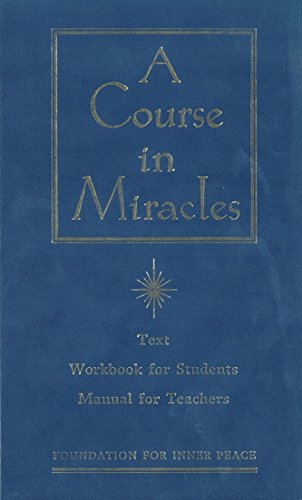
Foundation for Inner Peace
The quest for happiness often leads to frustration, as many fail to realize that the...

Reaching sixty can evoke complex emotions, blending relief with ongoing ambition. This...

The quest for life's purpose often leads to unsatisfactory answers. This article...

Imagine going through one of the most physically and emotionally demanding experiences...

Romantic love is a complex emotion shaped by historical, cultural, and biological...

Daily actions often conflict with personal beliefs due to past experiences. By utilizing...

Have you ever argued over something that wasn't actually said? From cultural differences...

Therapists often use dream interpretation to delve into patients' emotions, but true...