



Happiness & Success
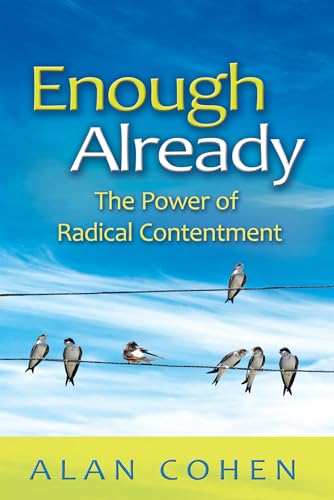
Achieving Happiness Through Acceptance of Life
The quest for happiness often leads to frustration, as many fail to realize that the...

Deep within each of us lie invisible scripts written in childhood, quietly directing our adult relationships, choices, and emotional responses. These early decisions, formed before we had the reasoning capacity to evaluate them properly, continue to shape how we connect with others, express love, and navigate intimacy throughout our lives. What begins as a child's logical response to confusing or overwhelming circumstances becomes a rigid pattern that can sabotage our deepest desires for authentic connection and fulfilling partnerships.
Every child faces moments of confusion, pain, or misunderstanding. In those vulnerable moments, young minds draw conclusions about themselves, others, and how the world works. A child who feels unheard might conclude "my voice doesn't matter." Another who witnesses parental conflict might decide "love leads to pain." These childhood conclusions feel absolutely true in the moment and serve as protective mechanisms, helping children make sense of experiences they cannot fully comprehend. The problem emerges decades later when these outdated beliefs continue operating beneath conscious awareness, creating repetitive relationship patterns that leave adults feeling frustrated, disconnected, or inexplicably stuck.
This comprehensive exploration of childhood conclusions reveals how these early decisions function as invisible barriers to intimacy and authentic relating. Through vivid examples and practical exercises, readers discover how to identify the specific conclusions they formed in childhood and understand the original circumstances that prompted these decisions. The process illuminates why certain relationship dynamics feel maddeningly familiar, why the same conflicts arise with different partners, and why deeply desired changes seem impossible despite sincere effort.
Read more ▼
David Simon M.D.
Don Miguel Ruiz
Joyce Vissell, Barry Vissell
Unlocking the Mysteries of Birth & Death
Daisaku Ikéda
The quest for happiness often leads to frustration, as many fail to realize that the...

Reaching sixty can evoke complex emotions, blending relief with ongoing ambition. This...

The quest for life's purpose often leads to unsatisfactory answers. This article...

Romantic love is a complex emotion shaped by historical, cultural, and biological...

Imagine going through one of the most physically and emotionally demanding experiences...

Have you ever argued over something that wasn't actually said? From cultural differences...

Daily actions often conflict with personal beliefs due to past experiences. By utilizing...

Therapists often use dream interpretation to delve into patients' emotions, but true...