



Throughout human history, philosophers, spiritual teachers, and great thinkers have grappled with one of life's most essential questions: what constitutes a life well lived? This profound exploration takes readers on an illuminating journey through five fundamental dimensions of human existence, offering a rich tapestry of wisdom drawn from both ancient philosophy and contemporary insights.
At the heart of this exploration lies an invitation to examine the core aspects of our lives with fresh eyes and renewed curiosity. Rather than prescribing a single path to fulfillment, this work presents multiple perspectives on how we might approach the art of living, drawing from diverse philosophical traditions, cultural practices, and modern research to illuminate the choices available to us.
The journey begins with examining how we relate to ourselves and others, delving into questions of love, relationships, and human connection. Readers discover how different cultures and eras have understood intimacy, commitment, and the bonds that tie us together. From ancient Greek concepts of different types of love to modern perspectives on relationship dynamics, this exploration reveals that our understanding of connection has evolved considerably, yet certain timeless truths remain.
Career and work form another crucial dimension explored in depth. Rather than viewing work merely as a means to financial security, readers are challenged to consider how occupation relates to identity, purpose, and contribution to society. The examination reveals historical shifts in how humans have understood the role of work in a meaningful life, from medieval craft traditions to contemporary debates about work-life balance. This section proves particularly valuable for anyone questioning their professional path or seeking greater alignment between their values and their vocation.
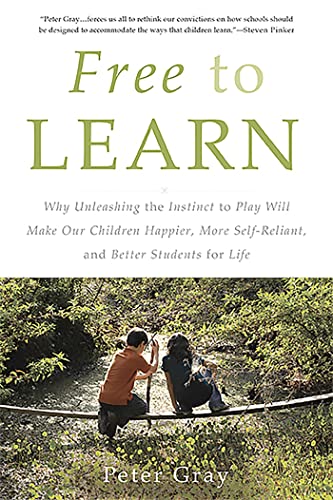
The exploration of family life and parenting offers surprising insights into how different societies have approached these universal experiences. By examining varying cultural attitudes and practices around child-rearing and domestic life, readers gain perspective on assumptions they may have never questioned. This comparative approach liberates thinking and opens possibilities for reimagining family structures and parenting philosophies in ways that might better serve individual circumstances and values.
Perhaps most relevant to our rapidly changing world is the examination of consumption, materialism, and our relationship with possessions. This section challenges readers to investigate their own patterns of acquisition and consumption, questioning whether the pursuit of material wealth truly delivers the satisfaction it promises. Drawing on research from positive psychology and insights from various philosophical traditions, this exploration reveals alternative paths to contentment that don't rely on endless accumulation.
The final dimension addressed concerns our relationship with the natural world and our mortality. In an age of environmental crisis and often-sanitized attitudes toward death, this examination proves particularly timely. Readers encounter perspectives from cultures that maintain closer connections to nature and approach death with greater acceptance and wisdom, offering potential remedies for the alienation many feel from both the natural world and the reality of human finitude.
What makes this exploration especially powerful is its integration of philosophical depth with practical accessibility. Abstract concepts become grounded through compelling historical examples, personal stories, and contemporary case studies. Readers don't just learn about different philosophical positions; they're equipped with frameworks for examining their own lives and making conscious choices about how to proceed.
The work serves as both mirror and map. As a mirror, it reflects back our assumptions, habits, and inherited beliefs, many of which we've never consciously chosen. As a map, it charts multiple routes toward fulfillment, meaning, and authenticity. Rather than advocating for one particular philosophy or lifestyle, it empowers readers to become architects of their own existence, making informed choices based on deep reflection rather than cultural conditioning or unconscious habit.
For anyone feeling stuck in patterns that no longer serve them, questioning life's direction, or simply seeking to live more intentionally, this exploration offers both inspiration and practical wisdom. It demonstrates that personal transformation begins with questioning, that examining life itself is perhaps the most important work we can undertake, and that the art of living well requires both courage and curiosity.