






Happiness & Success
Achieving Happiness Through Acceptance of Life
The quest for happiness often leads to frustration, as many fail to realize that the...

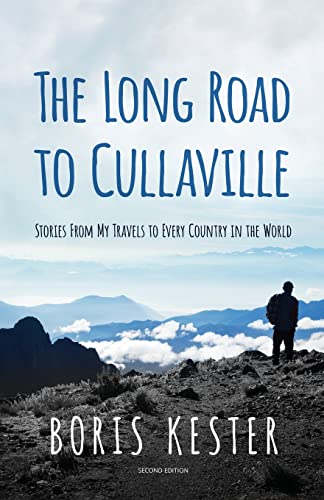
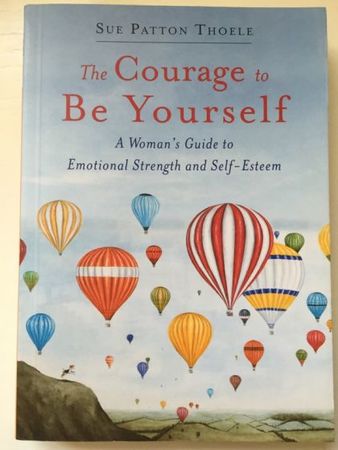
A journey through the rugged landscapes of rural Ireland becomes a profound meditation on belonging, identity, and the courage required to forge one's own path in a world that demands conformity. Set against the backdrop of a small border town during a tumultuous period in Irish history, this deeply personal narrative explores how individual transformation emerges from the crucible of cultural conflict, family expectations, and the universal human need to find where we truly belong.
At its core, this is a story about the search for authentic selfhood in environments that resist change and difference. Readers are invited into an intimate exploration of what it means to grow up caught between worlds—between tradition and progress, between family loyalty and personal truth, between the safety of acceptance and the terrifying freedom of self-determination. Through vivid storytelling that brings both landscape and inner life into sharp focus, we witness how one person's struggle to claim their identity mirrors the larger struggles we all face when choosing to live according to our deepest truths rather than society's scripts.
The narrative unfolds with remarkable honesty, refusing to shy away from the complexity of human experience. Rather than offering simple solutions or easy answers, it invites readers to sit with the discomfort that often accompanies genuine growth. The small-town setting becomes a character in itself, representing all the ways our environments shape us while also showing how we can transcend those limitations. The close-knit community, with its intricate web of relationships and unspoken rules, serves as a powerful metaphor for the various systems—family, religion, culture, nation—that influence our sense of who we are and who we can become.
Read more ▼
Ron Fry

Nik Douglas, Penny Slinger
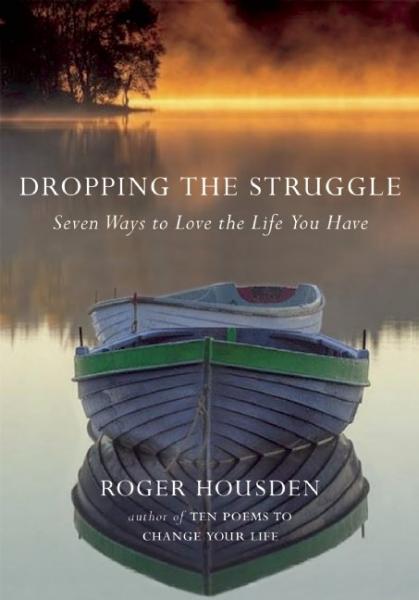
Roger Housden
The quest for happiness often leads to frustration, as many fail to realize that the...

Reaching sixty can evoke complex emotions, blending relief with ongoing ambition. This...

The quest for life's purpose often leads to unsatisfactory answers. This article...

Romantic love is a complex emotion shaped by historical, cultural, and biological...

Imagine going through one of the most physically and emotionally demanding experiences...

Have you ever argued over something that wasn't actually said? From cultural differences...

Daily actions often conflict with personal beliefs due to past experiences. By utilizing...

Therapists often use dream interpretation to delve into patients' emotions, but true...