















Happiness & Success
Achieving Happiness Through Acceptance of Life
The quest for happiness often leads to frustration, as many fail to realize that the...


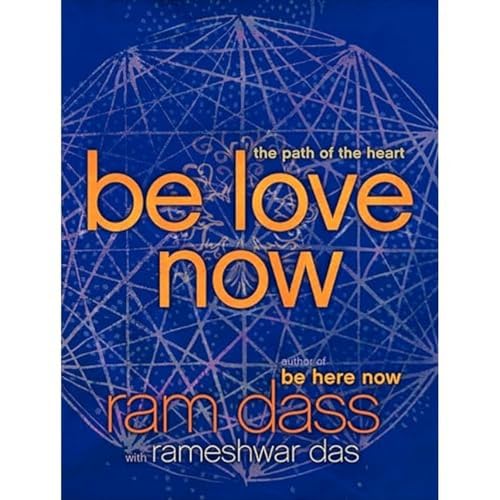
Deep within every human heart lies a fundamental tension between who we believe we are and who we fear we might be. The journey from shame to self-acceptance represents one of the most profound transformations available to us, yet it remains elusive for countless individuals who carry the weight of past mistakes, regrets, and perceived moral failings. This exploration into the psychology and spirituality of forgiveness offers a lifeline to anyone struggling beneath the burden of guilt and self-condemnation.
At its core, this work examines the paralyzing effects of shame and how these feelings disconnect us from our authentic selves, our relationships, and our spiritual foundations. Readers discover that the label of "sinner" is not a permanent identity but rather a temporary state that can be transcended through conscious understanding and compassionate self-reflection. The journey outlined here moves beyond simple religious platitudes to explore the deeper mechanisms by which human beings punish themselves and how this self-punishment ultimately serves no constructive purpose.
Through carefully developed insights, readers learn to distinguish between healthy remorse that leads to growth and toxic shame that leads to paralysis. The difference between these two states determines whether past mistakes become stepping stones or stumbling blocks. By understanding how shame operates in the psyche, individuals can begin to dismantle the internal structures that keep them trapped in cycles of self-hatred and regret.
Read more ▼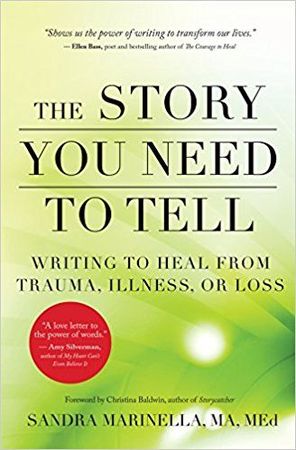
Sandra Marinella
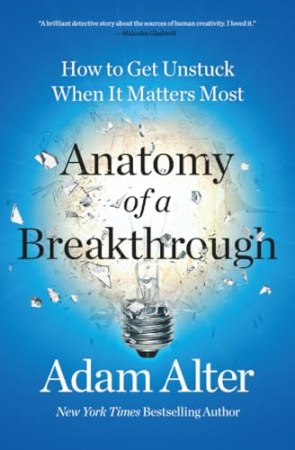
Adam Alter

Clarissa Pinkola Estés, Clarissa Pinkola Estes, Clarissa Pinkola Estés, ANTONIA MENINI PAGES, María Antonia Menini Pagès, Maria Antonia Menini
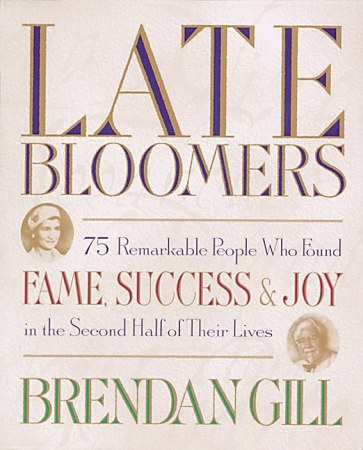
Brendan Gill
The quest for happiness often leads to frustration, as many fail to realize that the...

Reaching sixty can evoke complex emotions, blending relief with ongoing ambition. This...

The quest for life's purpose often leads to unsatisfactory answers. This article...

Imagine going through one of the most physically and emotionally demanding experiences...

Romantic love is a complex emotion shaped by historical, cultural, and biological...

Daily actions often conflict with personal beliefs due to past experiences. By utilizing...

Have you ever argued over something that wasn't actually said? From cultural differences...

Therapists often use dream interpretation to delve into patients' emotions, but true...