



















Happiness & Success
Achieving Happiness Through Acceptance of Life
The quest for happiness often leads to frustration, as many fail to realize that the...

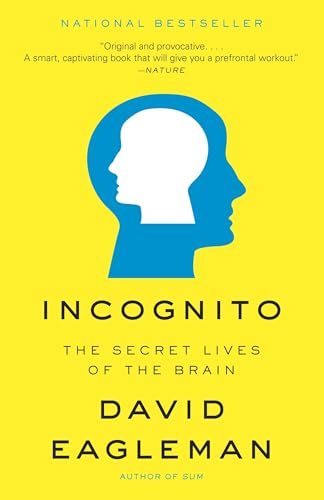
The vast majority of what drives human behavior, shapes our decisions, and colors our perceptions happens entirely outside our conscious awareness. Operating beneath the surface of our everyday thinking lies an intricate neural machinery that processes information, makes judgments, and initiates actions long before our conscious mind even knows what's happening. This revelatory exploration into the hidden workings of the brain challenges everything we think we know about who we are and why we do what we do.
Diving deep into cutting-edge neuroscience research, this work unveils the remarkable truth that consciousness represents only the smallest fraction of brain activity. The unconscious mind isn't simply a repository for forgotten memories or suppressed desires, as Freud suggested, but rather a sophisticated collection of systems working tirelessly behind the scenes to keep us alive, help us navigate complex social situations, and guide our choices in ways we rarely acknowledge. From the moment we wake until we sleep, our brain runs countless programs we cannot access, processing sensory information, filtering reality, and making split-second decisions that our conscious self later claims as its own.
Readers will discover how the brain actively constructs reality rather than passively recording it. Visual perception, for instance, involves extensive editing and filling in of gaps that we never notice. The brain predicts what should be there and presents that prediction as reality, sometimes leading to startling illusions and blind spots that reveal just how much interpretation occurs before anything reaches conscious awareness. These insights fundamentally reshape our understanding of truth, perception, and the nature of experience itself.
Read more ▼
Colleen Sell

Meryl Hershey Beck

Mark Nepo

James Robert Milam, Katherine Ketcham
The quest for happiness often leads to frustration, as many fail to realize that the...

Reaching sixty can evoke complex emotions, blending relief with ongoing ambition. This...

The quest for life's purpose often leads to unsatisfactory answers. This article...

Imagine going through one of the most physically and emotionally demanding experiences...

Romantic love is a complex emotion shaped by historical, cultural, and biological...

Daily actions often conflict with personal beliefs due to past experiences. By utilizing...

Have you ever argued over something that wasn't actually said? From cultural differences...

Therapists often use dream interpretation to delve into patients' emotions, but true...