










Happiness & Success
Achieving Happiness Through Acceptance of Life
The quest for happiness often leads to frustration, as many fail to realize that the...

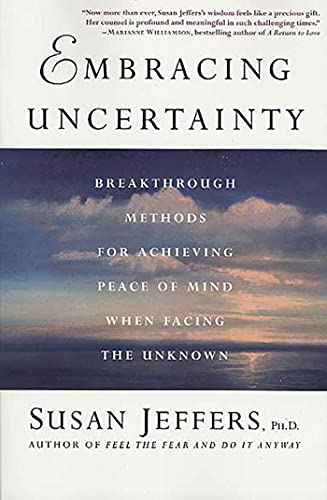
The turbulent landscape of modern politics can leave even the most engaged citizens feeling anxious, powerless, and overwhelmed. Between election cycles that seem to intensify in divisiveness, policy debates that pit neighbor against neighbor, and a 24-hour news cycle that amplifies every crisis, the democratic process itself can become a source of profound uncertainty rather than the stable foundation it was meant to provide. Yet what if the very uncertainty we resist in our political lives holds the key to becoming more effective, compassionate, and empowered participants in democracy?
At the heart of political anxiety lies a fundamental misunderstanding about the nature of democratic participation and civic engagement. Many approach politics with the expectation that if they stay informed enough, vote for the right candidates, or align with the correct ideology, they can control outcomes and eliminate the discomfort of not knowing what comes next. This illusion of control creates a brittle relationship with the political process, one that shatters with every unexpected election result, policy reversal, or cultural shift that challenges our worldview.
Learning to embrace political uncertainty doesn't mean becoming apathetic or disengaged. Rather, it involves developing a more mature, resilient approach to citizenship that acknowledges the inherent unpredictability of democratic systems while remaining actively committed to positive change. This perspective recognizes that democracy was designed to be messy, that progress rarely follows a straight line, and that the tension between competing values and visions is not a bug in the system but a feature that keeps it dynamic and responsive.
Read more ▼
John Stuart Mill

Brandon Bays

Sue Van Raes
The quest for happiness often leads to frustration, as many fail to realize that the...

Reaching sixty can evoke complex emotions, blending relief with ongoing ambition. This...

The quest for life's purpose often leads to unsatisfactory answers. This article...

Romantic love is a complex emotion shaped by historical, cultural, and biological...

Imagine going through one of the most physically and emotionally demanding experiences...

Daily actions often conflict with personal beliefs due to past experiences. By utilizing...

Have you ever argued over something that wasn't actually said? From cultural differences...

Therapists often use dream interpretation to delve into patients' emotions, but true...