


















Happiness & Success
Achieving Happiness Through Acceptance of Life
The quest for happiness often leads to frustration, as many fail to realize that the...


Fear stops more dreams than failure ever could. It whispers insidiously in our ears, keeping us small, contained, and perpetually waiting for the "right moment" that never arrives. Yet what if the very presence of fear could become a compass pointing toward growth rather than a barrier blocking our path? What if we could fundamentally transform our relationship with this primal emotion and use it as fuel for expansion rather than as an excuse for contraction?
At the heart of this transformative work lies a radical proposition: the fear never goes away. As long as we continue to grow, stretch ourselves, and venture into unfamiliar territory, fear will be our companion. The question isn't how to eliminate fear but rather how to move forward despite its presence. This shift in perspective alone liberates countless individuals who have been waiting to feel fearless before taking action, not realizing they've been waiting for something that will never arrive.
Readers discover a comprehensive framework for understanding the different types of fear and how they manifest in everyday life. From the fear of rejection and failure to the fear of success and change itself, each variety is examined with compassion and clarity. More importantly, practical strategies emerge for handling these fears when they arise, transforming paralysis into purposeful action.
Read more ▼
Viktor E. Frankl

Jennifer Fraser
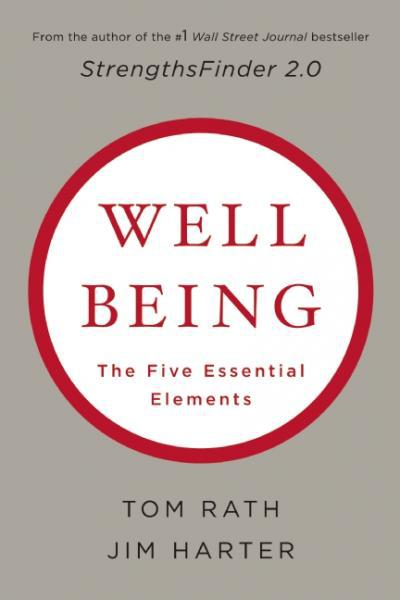
Tom Rath, Jim Harter
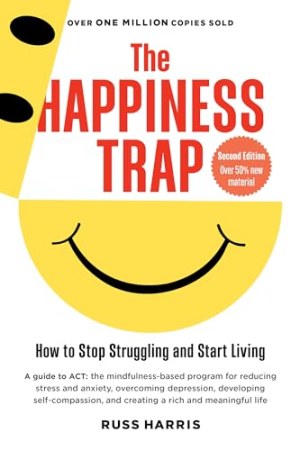
Russ Harris
The quest for happiness often leads to frustration, as many fail to realize that the...

Reaching sixty can evoke complex emotions, blending relief with ongoing ambition. This...

The quest for life's purpose often leads to unsatisfactory answers. This article...

Romantic love is a complex emotion shaped by historical, cultural, and biological...

Imagine going through one of the most physically and emotionally demanding experiences...

Have you ever argued over something that wasn't actually said? From cultural differences...

Daily actions often conflict with personal beliefs due to past experiences. By utilizing...

Therapists often use dream interpretation to delve into patients' emotions, but true...