







Happiness & Success
Achieving Happiness Through Acceptance of Life
The quest for happiness often leads to frustration, as many fail to realize that the...

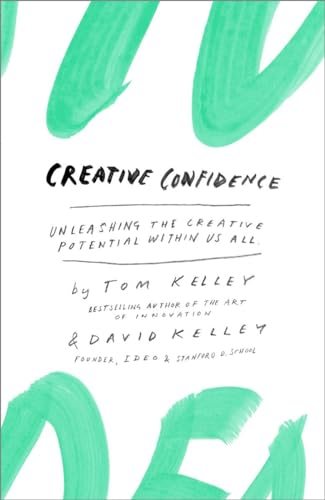
At the intersection of innovation and personal transformation lies a powerful truth: creativity is not an innate gift bestowed upon a select few, but rather a capability that resides within everyone, waiting to be unlocked and developed. This groundbreaking work challenges the widespread myth that creativity belongs exclusively to artists, designers, and other "creative types," revealing instead that creative thinking can be cultivated, nurtured, and applied to every aspect of our lives.
Drawing from decades of experience at the forefront of design innovation and educational leadership at Stanford University, this work presents a compelling framework for overcoming the fears and self-limiting beliefs that prevent most people from accessing their creative potential. The central premise is deceptively simple yet profoundly transformative: the main obstacle to creativity is not lack of ability, but rather the fear of judgment, failure, and the unknown. By addressing these psychological barriers head-on, readers can rediscover and reclaim the natural creative curiosity they possessed as children.
Throughout these pages, readers encounter a wealth of real-world examples, case studies, and practical methodologies that demonstrate how ordinary individuals have achieved extraordinary results by embracing their creative capacity. From healthcare professionals reimagining patient care to teachers revolutionizing their classrooms, from business leaders transforming organizational culture to individuals solving everyday challenges with fresh perspectives, the stories illustrate that creativity is fundamentally about approaching problems with an open mind and a willingness to experiment.
Read more ▼
Gertrud Hirschi
Andrew E. Clark, Sarah Flèche, Richard Layard, Nattavudh Powdthavee, George Ward
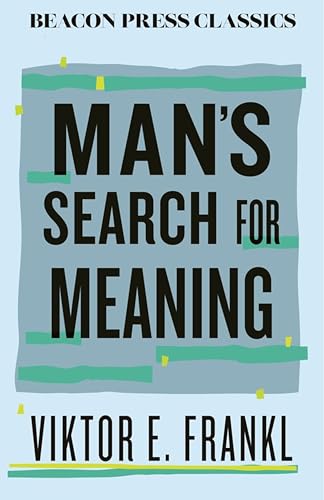
Viktor E. Frankl
The quest for happiness often leads to frustration, as many fail to realize that the...

Reaching sixty can evoke complex emotions, blending relief with ongoing ambition. This...

The quest for life's purpose often leads to unsatisfactory answers. This article...

Romantic love is a complex emotion shaped by historical, cultural, and biological...

Imagine going through one of the most physically and emotionally demanding experiences...

Have you ever argued over something that wasn't actually said? From cultural differences...

Daily actions often conflict with personal beliefs due to past experiences. By utilizing...

Therapists often use dream interpretation to delve into patients' emotions, but true...