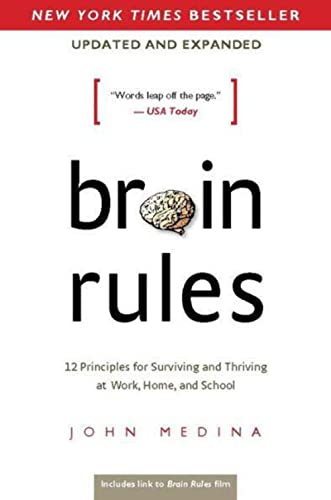
Have you ever wondered why some people seem to thrive at work while others struggle despite equal effort? Why certain teaching methods help students retain information while others leave them frustrated? Why some families communicate effectively while others constantly clash? The answers lie in understanding how your brain actually functions—not how we wish it worked, but how it genuinely operates based on decades of neuroscience research.
This groundbreaking exploration takes you on a journey through twelve fundamental principles that reveal the hidden architecture of human cognition. Each principle is grounded in solid scientific research, yet presented in accessible language that transforms complex neurobiology into practical wisdom you can apply immediately to your daily life. Whether you're a parent seeking to support your child's development, a professional aiming to enhance workplace performance, or someone on a personal growth journey, these principles provide the foundation for meaningful change.
The book begins with the recognition that our brains did not evolve for the modern world. We are operating twenty-first-century lives with brains designed for survival on the African savanna millions of years ago. This fundamental mismatch explains so much about why we struggle in contemporary environments. Understanding this disconnect is the first step toward working with your brain rather than against it.
Throughout the narrative, you'll discover why movement is essential for cognitive function—not as an afterthought or luxury, but as a core requirement for optimal brain performance. You'll learn that sleeping well isn't laziness but rather a critical investment in memory consolidation, emotional regulation, and creativity. The science reveals how stress profoundly affects learning and decision-making, and what you can do to manage it effectively. You'll understand why multitasking is actually a myth that destroys productivity, and how your attention works in ways that surprise most people.
The principles address how we process visual information, why stories are more persuasive than statistics, and how emotions are inextricably linked to learning and memory. You'll explore the fascinating differences in how male and female brains function, moving beyond stereotypes to real neurological distinctions that have practical implications. The book examines how we develop and maintain relationships, the role of exploration in learning, and why repetition and spaced learning matter far more than cramming.
For parents and educators, this resource becomes invaluable. Understanding brain development windows, how attention spans actually work, and what genuinely supports learning transforms how you interact with children. For professionals, insights into attention, decision-making under stress, and the importance of breaks and movement revolutionize workplace practices and personal productivity. For anyone committed to self-improvement, these principles illuminate why certain habits stick while others fade, and how to align your lifestyle with your brain's actual needs.
What makes this exploration particularly powerful is that it demolishes many myths we've accepted without question. You'll learn why the information you've been given about learning styles, the percentage of brain utilization, and optimal study techniques may be misleading. You'll discover evidence-based alternatives that actually work better.
The updated and expanded edition incorporates the latest research developments, ensuring that you're learning from the current frontier of neuroscience rather than outdated information. New findings about neuroplasticity, the gut-brain connection, and emerging understanding of how brains change throughout our lifespan have been woven throughout.
This isn't theoretical knowledge for its own sake. Each principle is paired with practical applications you can implement immediately—in your home, workplace, school, or personal development journey. You'll find yourself thinking differently about nutrition, exercise, sleep, stress management, social connection, and mental challenge. These aren't suggestions presented as optional enhancements but as foundational requirements for a brain operating at its best.
By understanding and applying these twelve principles, you position yourself to thrive rather than merely survive. You gain the biological literacy to make informed choices about your health, your relationships, and your potential. You develop the capacity to support others more effectively, whether they're family members, colleagues, or students. Most importantly, you align your life with how your brain actually works, creating the conditions for genuine transformation and lasting well-being.