












Happiness & Success
Achieving Happiness Through Acceptance of Life
The quest for happiness often leads to frustration, as many fail to realize that the...

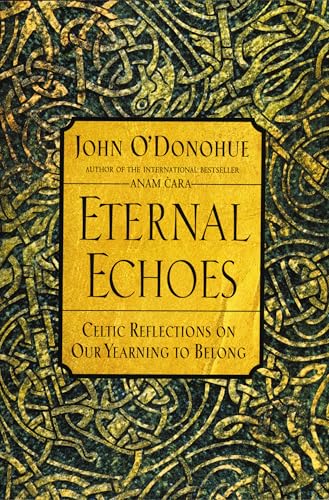
Deep within each human soul lies a yearning for connection, meaning, and belonging that transcends the superficial demands of modern life. This profound exploration of Celtic spirituality offers readers a pathway to discovering the sacred rhythms that pulse through everyday existence, revealing how ancient wisdom can illuminate contemporary struggles with loneliness, disconnection, and spiritual hunger.
Drawing from the rich traditions of Celtic Christianity and pre-Christian mysticism, this work serves as a guide for those seeking to awaken dormant dimensions of their inner life. The Celtic imagination understood that the divine is not distant or abstract but intimately woven into the fabric of daily existence. Every moment, every encounter, every threshold crossed carries potential for sacred revelation. Readers will discover how to recognize and honor these liminal spaces where the eternal breaks through into ordinary time.
The exploration begins with an examination of loneliness, not as a condition to be quickly remedied, but as a fundamental aspect of human experience that can become a doorway to deeper self-knowledge. Rather than numbing or avoiding feelings of isolation, readers learn to befriend their solitude and discover within it an invitation to encounter their own depths. This perspective transforms loneliness from enemy to teacher, revealing how our deepest disconnections can paradoxically lead us toward authentic connection with ourselves, others, and the sacred ground of being.
Read more ▼
The quest for happiness often leads to frustration, as many fail to realize that the...

Reaching sixty can evoke complex emotions, blending relief with ongoing ambition. This...

The quest for life's purpose often leads to unsatisfactory answers. This article...

Imagine going through one of the most physically and emotionally demanding experiences...

Romantic love is a complex emotion shaped by historical, cultural, and biological...

Daily actions often conflict with personal beliefs due to past experiences. By utilizing...

Have you ever argued over something that wasn't actually said? From cultural differences...

Therapists often use dream interpretation to delve into patients' emotions, but true...