
Happiness & Success
Achieving Happiness Through Acceptance of Life
The quest for happiness often leads to frustration, as many fail to realize that the...








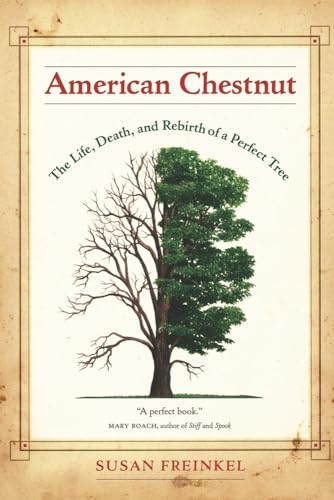
The story of a single tree species offers profound lessons about resilience, interconnection, and our capacity to make a difference in the face of seemingly insurmountable challenges. Once the dominant tree across the eastern United States, the American chestnut shaped entire ecosystems, economies, and cultures before being nearly wiped out by an imported blight in the early twentieth century. This ecological catastrophe and the ongoing efforts to restore this magnificent tree provide a compelling framework for understanding how we navigate loss, adapt to change, and find the determination to heal what seems irreparably broken.
At the heart of this narrative lies a powerful meditation on impermanence and transformation. The American chestnut was more than just a tree. It was a cornerstone species that fed wildlife, sustained communities, and defined landscapes. Its wood built homes and furniture, while its abundant nuts provided food security for both people and animals. When the blight arrived from Asia around 1904, it spread with devastating speed, killing an estimated four billion trees within fifty years. This dramatic collapse serves as a mirror for examining how we respond when the foundations of our world suddenly shift beneath our feet.
Readers discover how this ecological disaster became a catalyst for unprecedented scientific innovation and community mobilization. The decades-long effort to bring back the American chestnut reveals the extraordinary power of persistence and collaborative vision. Scientists, volunteers, and dedicated citizens have employed everything from traditional breeding techniques to cutting-edge genetic research in their quest to create blight-resistant trees. These efforts demonstrate how apparent endings can become new beginnings when approached with creativity, patience, and unwavering commitment.
Read more ▼
Goodman & Gilman's the pharmacological basis of therapeutics.
Louis S. Goodman
Johann Hari

Deborah Feldman

Doug Marsh
The quest for happiness often leads to frustration, as many fail to realize that the...

Reaching sixty can evoke complex emotions, blending relief with ongoing ambition. This...

The quest for life's purpose often leads to unsatisfactory answers. This article...

Romantic love is a complex emotion shaped by historical, cultural, and biological...

Imagine going through one of the most physically and emotionally demanding experiences...

Daily actions often conflict with personal beliefs due to past experiences. By utilizing...

Have you ever argued over something that wasn't actually said? From cultural differences...

Therapists often use dream interpretation to delve into patients' emotions, but true...