
Happiness & Success
Achieving Happiness Through Acceptance of Life
The quest for happiness often leads to frustration, as many fail to realize that the...








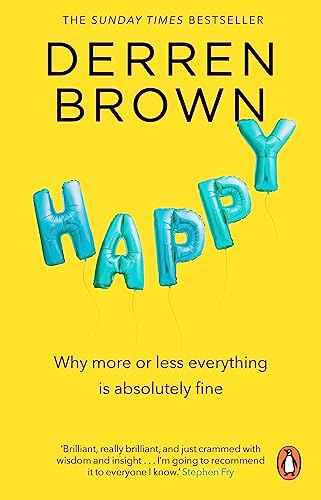
For centuries, philosophers have grappled with the fundamental question of how to live a good life, and what it truly means to find lasting contentment in an unpredictable world. Drawing from ancient Stoic philosophy and bringing it into brilliant conversation with modern psychology, this remarkable exploration offers readers a practical, transformative approach to happiness that stands in refreshing contrast to the relentless positivity culture of our times.
Rather than promising perpetual joy or suggesting that we simply need to think more positive thoughts, this work presents a mature, nuanced understanding of human flourishing. It invites readers to examine the very nature of happiness itself, questioning whether our modern pursuit of constant pleasure and the avoidance of all discomfort might actually be leading us further from the fulfillment we seek. Through careful reasoning and compelling examples, we discover that many of our assumptions about what will make us happy are not only mistaken but actively harmful to our wellbeing.
At the heart of this philosophical journey lies the wisdom of the ancient Stoics, particularly the teachings of Epictetus, Marcus Aurelius, and Seneca. These Roman philosophers understood something profound: while we cannot control external events, we have tremendous power over our internal responses. This fundamental insight becomes the foundation for a complete reframing of how we approach life's inevitable challenges, disappointments, and uncertainties. Rather than viewing obstacles as enemies to our happiness, we learn to see them as opportunities for growth and the development of character.
Read more ▼
Gabriel Horn

Gay Hendricks, Kathlyn Hendricks

Excuse me, your life is waiting
Lynn Grabhorn

Maria Shriver
The quest for happiness often leads to frustration, as many fail to realize that the...

Reaching sixty can evoke complex emotions, blending relief with ongoing ambition. This...

The quest for life's purpose often leads to unsatisfactory answers. This article...

Romantic love is a complex emotion shaped by historical, cultural, and biological...

Imagine going through one of the most physically and emotionally demanding experiences...

Have you ever argued over something that wasn't actually said? From cultural differences...

Daily actions often conflict with personal beliefs due to past experiences. By utilizing...

Therapists often use dream interpretation to delve into patients' emotions, but true...