
Most of us enter relationships with hope and genuine desire for closeness, yet so many of us find ourselves struggling with distance, conflict, and disconnection. We might ask ourselves: What went wrong? Why do patterns keep repeating? How can we truly reach the people we love most?
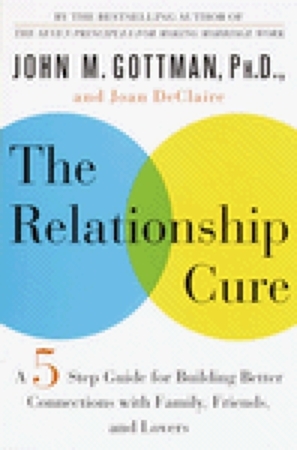
The answers lie in understanding what researchers have discovered through decades of studying successful and struggling relationships. This groundbreaking work reveals that most relationship problems don't stem from major incompatibilities or fundamental incompatibility. Instead, they emerge from something far more subtle and fixable: how we respond to each other's bids for connection.
A bid for connection is essentially any attempt one person makes to get another person's attention, affection, support, or engagement. These bids can be as simple as pointing out something interesting you've noticed, sharing a thought or feeling, asking for help, or seeking reassurance. In healthy relationships, partners respond to these bids with genuine engagement. In troubled relationships, partners tend to turn away from bids or respond dismissively, creating an accumulation of small rejections that eventually damages the relationship's foundation.
This revolutionary framework reshapes how we understand relationship conflict. You'll discover that arguments aren't really about whose turn it is to do the dishes or whose family we're visiting for the holidays. These surface issues are merely symptoms of a deeper problem: partners are not feeling heard, valued, or connected. When someone feels consistently rebuffed when they reach out, they eventually give up trying, and the relationship enters a dangerous phase where partners begin living like strangers who happen to share the same space.
Throughout these pages, you'll explore the specific ways people respond to bids for connection. Some responses involve turning toward the bid with genuine interest and engagement. Others involve turning away, where we're preoccupied or simply don't acknowledge the attempt at connection. Still others involve turning against the bid, responding with dismissal, criticism, or contempt. Understanding these patterns in your own relationships becomes the first step toward transformation.
The work goes beyond simply identifying problems. It provides practical, actionable strategies for becoming someone who responds more effectively to the bids coming your way. You'll learn how to recognize bids in their many forms, understand what's really being asked for beneath the surface, and develop specific skills for responding in ways that build intimacy rather than erode it.
One of the most valuable aspects involves learning to express your own needs more effectively. Many people struggle to communicate what they truly need from their relationships. They hint, they hope, they assume others should know, but they rarely ask directly and clearly. These insights help you develop a language of connection that allows you to share your needs honestly while also helping others understand how to meet you.
The relationship tools and wisdom shared here apply far beyond romantic partnerships. Parents discover how to deepen connections with their children. Colleagues learn how to build stronger professional relationships. Friends find ways to ensure their relationships don't drift through neglect or misunderstanding. Extended family members discover how to reduce tension and increase genuine closeness.
What makes this approach so powerful is that it's grounded in real research. These aren't philosophical theories or wishful thinking. Decades of studying couples who stay together, couples who thrive, and couples who disconnect reveals specific, measurable patterns. Understanding these patterns gives you a map.
The journey through this material often feels like receiving permission to see your relationships differently. It explains why certain patterns keep happening and, crucially, shows you how to interrupt those patterns. You'll gain insight into your own attachment style and how it influences your responses to your partner's bids. You'll recognize defensive reactions that might have seemed justified but actually push loved ones away.
Most importantly, you'll discover that relationships can heal. Small changes in how you respond to bids for connection can lead to profound shifts in intimacy and satisfaction. This isn't about pretending problems don't exist or ignoring genuine issues. Rather, it's about addressing the foundation beneath all those problems: whether people feel truly seen, valued, and connected to those they love. When that foundation strengthens, everything else becomes possible.