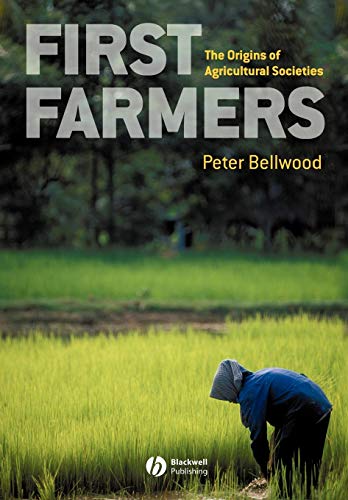
Discover how humanity's greatest transformation shaped not only our societies but our very consciousness and spiritual evolution. This groundbreaking exploration traces the origins of farming across the globe, revealing how the shift from hunting and gathering to agriculture fundamentally altered the human experience and continues to influence our lives today.
The agricultural revolution represents one of the most pivotal moments in human history. Rather than viewing this transition as a simple technological advancement, this work examines it as a profound reshaping of human civilization that touches every aspect of our existence—from how we organize communities to how we perceive ourselves and our place in the world. By understanding how our ancestors made this monumental shift, we gain insight into the deep patterns that continue to govern modern life and discover opportunities for conscious evolution.
Throughout this exploration, you'll journey across continents and millennia, examining how different peoples independently developed farming in regions including the Fertile Crescent, China, Mesoamerica, and Africa. This comparative approach reveals universal patterns in human adaptation and ingenuity while celebrating the diverse ways cultures responded to environmental opportunities and challenges. Rather than presenting a single narrative of progress, the material invites you to consider multiple perspectives on what this transformation meant for human development.
The work illuminates the social, spiritual, and psychological changes that accompanied agricultural settlement. When people transitioned from mobile foraging lifestyles to permanent settlements, everything transformed. New concepts of property ownership emerged, hierarchical social structures developed, and humanity's relationship with the natural world shifted dramatically. These weren't merely logistical changes—they represented fundamental alterations in consciousness, identity, and human potential. By examining these transitions, you'll recognize similar patterns of change operating in your own life and within contemporary society.
One of the most valuable insights this material offers relates to understanding how environmental conditions influence human development and choice. Rather than viewing history as inevitable progress, you'll learn how geography, climate, plant and animal populations, and human creativity intersected to create diverse outcomes across different regions. This perspective encourages a more nuanced understanding of causation and empowers you to recognize how present circumstances both constrain and enable your own possibilities.
The book challenges romanticized notions about prehistoric life while acknowledging genuine costs and benefits of agricultural development. Some communities experienced improvements in food security and population stability, while others faced increased labor demands, nutritional challenges, and disease. This balanced perspective reflects a mature understanding that transformation always involves trade-offs. Recognizing this truth in historical context helps develop wisdom for navigating contemporary changes in your own life and society.
By tracing the emergence of farming communities and the civilizations they spawned, you'll develop a deeper understanding of how human culture evolves in response to both necessity and possibility. You'll gain perspective on seemingly permanent features of modern life—cities, governments, organized religions, written language—as relatively recent developments rather than inevitable aspects of humanity. This recognition opens psychological space for imagining alternative possibilities for our collective future.
Furthermore, this exploration connects personal empowerment to historical awareness. Understanding how previous generations adapted to massive transitions, made conscious choices about community organization, and shaped their environments despite constraints provides inspiration and practical wisdom for your own transformational journey. The same human capacities for innovation, cooperation, and adaptation that enabled the agricultural revolution remain available to us today.
Whether you're interested in history, anthropology, spirituality, or social consciousness, this material enriches your understanding of how humanity has become what we are and suggests possibilities for what we might become. It invites you to view your own life and choices within the vast context of human development while recognizing your agency in creating meaningful change.