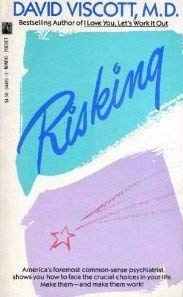


Fear keeps us safe, but it also keeps us small. There exists a profound paradox in human existence: the very mechanisms that protect us from harm often become the prison bars that confine our potential. This exploration delves deep into one of life's most transformative practices—learning to take intelligent risks that honor both our safety and our growth.
Risk-taking is fundamentally misunderstood in contemporary culture. It is not recklessness or foolhardy abandon. Rather, it is the conscious choice to move forward despite uncertainty, to embrace vulnerability while maintaining wisdom, and to understand that growth exists precisely at the boundary between comfort and fear. When we avoid all risk, we avoid life itself. When we take risks thoughtfully and authentically, we begin to discover who we truly are.
This comprehensive guide addresses the emotional and psychological dimensions of risk that most people never examine. It explores the origins of our fear patterns—where they come from, why they persist, and most importantly, how they can be transformed. Many of our deepest fears were implanted during childhood, adopted from parents or authority figures, or reinforced through painful experiences. Yet these fears need not define our future. Understanding their source is the first step toward liberation.
The relationship between vulnerability and courage forms a central theme throughout these pages. Contrary to popular belief, courage is not the absence of fear. Courage is feeling the fear completely and choosing meaningful action anyway. This distinction is crucial. When we understand that we can experience fear and still move forward, the entire landscape of possibility expands. We stop waiting for confidence before we act and instead discover that confidence grows through action.
Readers will discover practical frameworks for evaluating risk intelligently. Not all risks are equal. Some are destructive and worthy of avoidance, while others are generative—they create growth, connection, and authentic living. Learning to distinguish between these categories prevents us from becoming either paralyzed by fear or reckless in our choices. The book provides tools for assessing whether a particular risk aligns with our values, serves our growth, and respects our genuine limitations.
The exploration extends into relational risks as well. Many people find that their greatest unfulfilled desires involve emotional connection—being honest with others, expressing authentic needs, asking for help, or initiating deeper relationships. These risks feel terrifying because rejection and misunderstanding are possible. Yet the price of avoiding these risks is profound isolation and the suppression of our authentic selves. Understanding how to take relational risks transforms not only our personal lives but our capacity for genuine intimacy and community.
Perhaps most significantly, this work addresses the spiritual dimensions of risk-taking. When we deny ourselves opportunities for growth through risk, we deny ourselves the chance to discover our own resilience, strength, and capacity for transformation. We unknowingly collude with a smaller version of ourselves. Conversely, when we take meaningful risks, we participate actively in our own becoming. We prove to ourselves that we are capable, that we can survive difficulty, and that we possess inner resources we may not have known existed.
Throughout these pages, readers encounter a compassionate but honest perspective on change. Personal transformation is not achieved through positive thinking alone or through the abandonment of all caution. It emerges from the willingness to face ourselves honestly, to acknowledge our fears without being controlled by them, and to take deliberate action in service of our deepest values and aspirations.
This work serves as both mirror and map—reflecting back the ways we limit ourselves while simultaneously charting a path toward greater authenticity, connection, and fulfillment. For anyone seeking genuine personal empowerment and growth, understanding the role of risk becomes indispensable.