# Healing Touch in Healthcare Settings: Understanding Massage for Vulnerable Populations
When we think about healing, we often imagine serene spa environments with soft music and aromatic oils. Yet profound healing can occur in hospitals, rehabilitation centers, and the homes of those managing serious illnesses. The power of therapeutic touch reaches far beyond luxury wellness—it becomes a vital component of compassionate care for those navigating the most vulnerable moments of their lives.
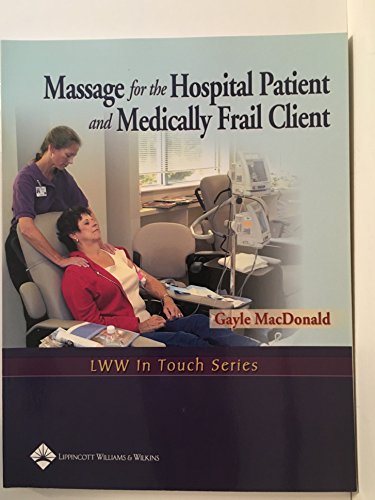
This comprehensive guide explores the transformative role of massage therapy for patients in medical settings and those whose bodies are compromised by illness, injury, or age-related challenges. It bridges the gap between traditional wellness massage and the specialized, nuanced approach required when working with individuals facing significant health obstacles. Whether you're a healthcare professional, massage therapist, caregiver, or someone seeking to understand how therapeutic touch can support healing in challenging circumstances, this resource provides essential knowledge grounded in both practical experience and clinical understanding.
The foundation of this work rests on a critical insight: medically compromised clients require a fundamentally different approach to bodywork than healthy individuals. Hospital patients, those recovering from surgery, individuals with chronic illnesses, and the elderly face unique physiological realities that demand modified techniques, heightened awareness, and profound respect for their physical limitations. Learning to adapt massage therapy appropriately means understanding contraindications, recognizing when touch might harm rather than help, and developing the sensitivity to work within the constraints of tubes, bandages, medications, and fragile tissues.
Readers will discover detailed guidance on modifying classic massage techniques to accommodate various medical conditions. From working around surgical sites and medical equipment to adjusting pressure and duration for those with compromised circulation or weakened immune systems, this exploration covers the practical mechanics of safe, effective touch. The text addresses specific scenarios faced in hospital environments and care facilities, offering concrete strategies for addressing pain, promoting circulation, reducing anxiety, and supporting the body's natural healing processes while respecting medical protocols and safety requirements.
Beyond technique lies the deeper dimension of presence and intention. One of the most valuable aspects of this work is its emphasis on the emotional and psychological dimensions of therapeutic touch. Hospitalized and medically frail individuals often experience profound isolation, fear, and loss of control over their bodies. The presence of a caring, skilled practitioner offering gentle, intentional touch can address wounds that medicines alone cannot heal. This exploration examines how touch communicates safety, respect, and human connection during times when these elements feel most distant.
The material covers essential foundational knowledge every practitioner needs: understanding common medical conditions and their implications for massage, recognizing the impact of medications on tissue response, identifying signs of complications, and knowing when to refer clients back to their medical team. It addresses the emotional intelligence required to work compassionately with anxious, grieving, or resistant clients who may fear touch due to pain or trauma.
For those new to working with medically complex populations, this comprehensive resource demystifies the challenges while building confidence. For experienced practitioners seeking to expand their scope or deepen their skill, it offers fresh perspectives and refined approaches. For family caregivers, it provides permission and practical instruction for offering healing touch to loved ones, transforming simple gestures into powerful interventions that honor both the giver and receiver.
This work ultimately affirms a fundamental truth: healing is not reserved for the healthy. Perhaps it matters most for those facing their greatest challenges. The ability to offer skilled, compassionate, modified massage therapy to vulnerable populations represents a profound expression of human care and a practical embodiment of the belief that touch can transform suffering into connection, pain into presence, and isolation into belonging.