# Understanding How Our Beliefs Shape Environmental Reality
Climate change represents one of the most pressing challenges of our time, yet our response to it remains fragmented, polarized, and often contradictory. While scientific data about global warming is increasingly clear, public discourse around environmental action is deeply fractured. People across the political, cultural, and spiritual spectrum interpret the same climate science in radically different ways, leading to vastly different conclusions about what should be done. This apparent paradox points to something fundamental about human nature: our cultural frameworks, worldviews, and deeply held beliefs shape not just how we interpret information, but how we understand our relationship with the natural world itself.
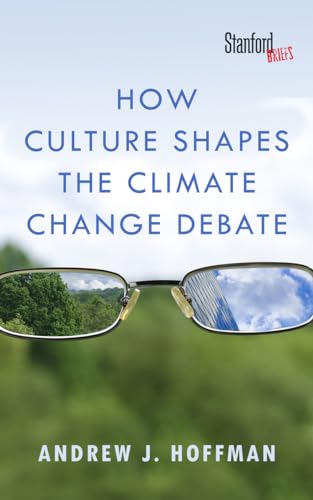
This exploration delves into the mechanisms through which culture influences the climate change debate, offering readers a transformative lens through which to view one of humanity's greatest challenges. Rather than simply presenting more climate data or environmental warnings, this work invites you to examine the invisible cultural currents that guide how we think about climate, nature, and our role in the world. By understanding these deeper patterns, you gain insight not only into environmental issues but into fundamental questions about how belief systems operate in society and how transformation happens.
The central revelation is that climate change is not primarily a scientific problem with a scientific solution. While science provides invaluable information, the real obstacles to addressing climate change are cultural, psychological, and spiritual in nature. Different cultural groups literally perceive different realities when confronted with the same climate data. An indigenous person, a Silicon Valley entrepreneur, a conservative farmer, and an urban environmentalist may all read identical climate reports yet walk away with completely different interpretations and motivations for action. This is not because of ignorance or irrationality, but because each brings to the conversation a distinct cultural narrative about humanity's place in nature, the relationship between progress and tradition, the role of government and markets, and what constitutes a good life.
Understanding these cultural narratives is essential for anyone seeking genuine transformation in how we address environmental challenges. The book explores how different cultural worldviews lead people to embrace or reject climate science, not through lack of intelligence but through the lens of their deepest values and assumptions. For readers interested in personal growth and social consciousness, this represents a crucial insight: recognizing that others hold different cultural frameworks is not a sign of failure but an opportunity for deeper understanding and more effective dialogue.
One of the most valuable lessons this exploration offers is that productive environmental action requires bridging cultural divides rather than simply winning debates. Traditional approaches to climate advocacy often involve presenting more data, highlighting more dire warnings, or attacking those who disagree. Yet this approach has proven ineffective for decades. By understanding the cultural underpinnings of different perspectives on climate change, readers discover why arguments haven't worked and how genuine communication might begin. This shift from confrontation to understanding aligns with principles of personal consciousness and social evolution that many spiritually-oriented readers value.
The work also examines how different sectors of society, from business and finance to religion and academia, have developed their own cultural approaches to climate change. Each institutional realm brings its own values, incentives, and worldviews to environmental questions. A corporate sustainability officer, a religious leader, and a climate scientist may all care deeply about the environment yet speak from fundamentally different cultural contexts. By mapping these different cultural landscapes, readers develop a more nuanced understanding of why climate solutions remain elusive despite widespread concern.
For those committed to personal and social transformation, this represents essential knowledge. Creating meaningful change on environmental issues requires moving beyond us-versus-them thinking and developing genuine empathy and understanding across cultural boundaries. The insights offered help readers navigate conversations about climate change with greater wisdom, recognizing that people of good faith can interpret evidence differently based on their cultural inheritance and deepest worldviews. This recognition opens pathways toward more authentic dialogue, coalition-building, and collective action that honors both scientific reality and human diversity.
Read more ▼