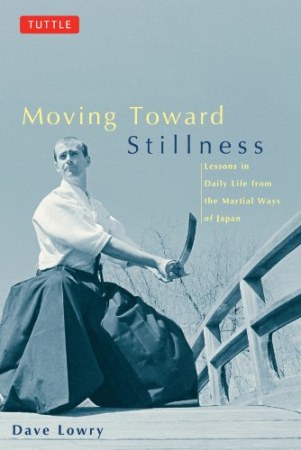
Discover how the ancient principles of martial arts philosophy can transform your approach to life's challenges and help you find genuine peace in an increasingly chaotic society. This exploration into Eastern wisdom traditions offers practical insights for modern seekers who recognize that true strength lies not in resistance, but in cultivating inner stillness amid external turmoil.
The journey toward stillness begins with understanding a paradox that lies at the heart of human experience: our constant striving for peace often prevents us from achieving it. In our modern world, characterized by relentless noise, constant connectivity, and perpetual demands on our attention, the concept of stillness has become increasingly foreign and yet desperately needed. This guide illuminates a path that bridges ancient contemplative practices with contemporary life, showing how the principles embedded in martial arts traditions speak directly to the challenges facing our society and our individual consciousness.
The book explores how the discipline of martial training serves as a metaphor for personal transformation and social awakening. Rather than focusing solely on physical techniques, the deeper teachings of Eastern martial traditions emphasize the development of character, mental clarity, and spiritual centeredness. These principles have profound implications for how we engage with ourselves, with others, and with the fundamental questions of justice, equality, and social responsibility that define our collective consciousness.
As societies grapple with political polarization, social fragmentation, and the struggle for democratic participation, this work suggests that personal transformation and social change are intimately connected. When individuals cultivate inner stillness and clarity, they become better equipped to engage in authentic dialogue, make ethical decisions, and contribute meaningfully to democratic processes. The stillness being discussed here is not escapism or withdrawal from the world's problems; rather, it is the foundation upon which thoughtful, compassionate, and effective action can be built.
Readers will discover how the principle of non-resistance found in martial arts philosophy applies to our relationships, conflicts, and social interactions. This is not about passive acceptance of injustice, but about learning to respond rather than react, to listen rather than immediately oppose, and to seek understanding before judgment. These capacities are essential for anyone committed to personal growth and to building more just and compassionate communities.
The exploration of stillness extends into practical areas of modern life. How do we find mental clarity when bombarded by information? How do we maintain our values when pressured to conform? How do we engage in political discourse without becoming consumed by anger and division? How do we work for social change while maintaining our inner peace? These questions form the backbone of this exploration, and the answers draw from centuries of wisdom while remaining thoroughly relevant to contemporary concerns.
The teachings presented here emphasize that inner work and outer engagement are not separate endeavors. As we develop greater self-awareness and emotional balance, we naturally become more capable of contributing to positive social change. We gain the clarity to distinguish between genuine social problems and manufactured conflicts designed to divide us. We develop the compassion necessary to see humanity in those with whom we disagree, while maintaining firm ethical boundaries.
For readers committed to personal growth and social consciousness, this guide offers a refreshing perspective that honors both individual transformation and collective responsibility. It suggests that the stillness we seek is not an escape from the world's turmoil but rather a deeper engagement with it from a place of wisdom, clarity, and genuine strength. Through understanding these principles, readers can learn to navigate complexity with grace, to challenge injustice with wisdom, and to build a more conscious, equitable society starting with the transformation of their own hearts and minds.