# Understanding Energy Access as a Path to Global Justice and Personal Empowerment
Energy stands at the intersection of everything we care about: our health, our ability to work and learn, our connection to community, and our relationship with the natural world. Yet billions of people worldwide live without reliable access to electricity or clean cooking fuels, a reality that shapes every aspect of their daily existence. This exploration examines how energy access connects to human dignity, environmental sustainability, and the possibility of building a more equitable world for all.
The concept of universal energy access represents far more than simply installing solar panels or extending power grids to remote areas. It encompasses a fundamental shift in how we think about development, poverty, and our responsibilities to one another. When families lack access to reliable energy, children cannot study after dark, healthcare facilities cannot refrigerate medicines, and women spend hours gathering firewood instead of pursuing education or business opportunities. Energy poverty is not merely an infrastructural challenge but a human rights issue that perpetuates cycles of inequality across generations.
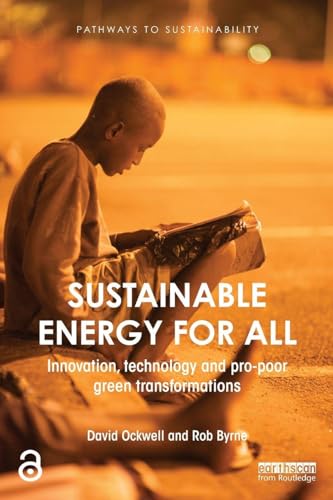
This comprehensive examination takes readers beyond simplistic solutions to explore the complex realities that prevent billions from accessing sustainable energy. The analysis reveals how colonial legacies, economic structures, political barriers, and technological assumptions have shaped our current energy landscape. Rather than assuming that Western development models simply need to be exported to poorer regions, this approach challenges readers to question fundamental assumptions about progress, growth, and what genuine sustainability actually means.
One of the most valuable aspects of this exploration is its honest assessment of why previous energy initiatives have often failed or created unintended consequences. Well-meaning projects sometimes benefit a small elite while bypassing the poorest communities. Technology-focused solutions occasionally ignore the social, political, and economic contexts that determine whether innovations truly serve local populations. By understanding these failures, readers gain insight into what actually works when communities themselves drive energy decisions rather than external experts imposing solutions.
The material demonstrates that sustainable energy access requires thinking beyond technology to address power dynamics, governance, and justice. Different communities have different needs and capacities. What works in one context may fail spectacularly in another. Effective approaches involve listening to local voices, respecting existing knowledge systems, and recognizing that the people most affected by energy poverty are often the most creative problem-solvers. This perspective shift alone can transform how readers think about development and their role in supporting global change.
Throughout this journey, readers discover concrete examples of initiatives that have genuinely improved lives while respecting environmental limits and cultural contexts. These case studies illustrate principles that apply far beyond energy, offering lessons about participatory development, appropriate technology, and building systems that serve human flourishing rather than accumulation. The analysis shows that connecting people to sustainable energy creates ripple effects: children stay in school longer, health outcomes improve, economic opportunities expand, and communities gain greater autonomy.
Perhaps most importantly for readers seeking deeper understanding, this material connects energy justice to broader questions about the kind of world we want to create. It challenges the assumption that current consumption patterns in wealthy nations represent the goal for all humanity. Instead, it invites readers to imagine sufficiency rather than excess, community rather than isolation, and systems designed for regeneration rather than depletion.
For those committed to personal growth and social consciousness, grappling with energy access questions cultivates awareness of global interconnection. Every light switch represents choices made by others, resources extracted from somewhere, and impacts felt in communities we may never visit. Understanding these connections deepens responsibility and opens possibilities for meaningful action.
This exploration ultimately argues that sustainable energy for all is achievable not through technology alone but through reimagining what development means, who gets to make decisions, and what we truly value. It invites readers into a more conscious way of inhabiting our shared world.