
Happiness & Success
Achieving Happiness Through Acceptance of Life
The quest for happiness often leads to frustration, as many fail to realize that the...








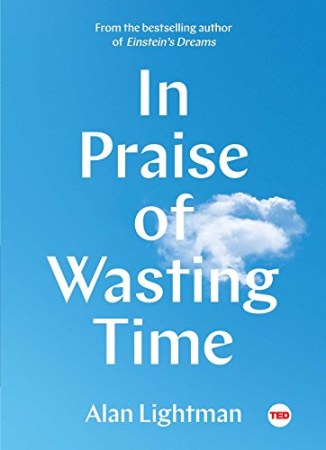
In our hyperconnected world where every moment seems to demand productivity, efficiency, and measurable outcomes, a revolutionary argument emerges for reclaiming one of our most precious resources: unstructured time. This thoughtful exploration challenges the relentless pace of modern life and makes a compelling case for why doing nothing might be the most important thing we can do.
At the heart of this work lies a fundamental question about what it means to live a fully human life in the digital age. We've become accustomed to filling every spare moment with activity, scrolling through social media, responding to emails, consuming content, and constantly measuring our worth through productivity metrics. The argument presented here suggests that this compulsive busyness comes at a tremendous cost to our creativity, our relationships, our sense of self, and our ability to engage meaningfully with the world around us.
Drawing on insights from physics, philosophy, and personal reflection, this examination reveals how our most profound thoughts and creative breakthroughs often emerge not from focused effort but from periods of seemingly idle contemplation. History's greatest thinkers, artists, and scientists understood something we've forgotten: the mind needs space to wander, to make unexpected connections, and to synthesize ideas in ways that forced concentration simply cannot achieve. When we allow ourselves to drift without agenda or purpose, we create conditions for genuine insight and innovation.
Read more ▼
Goswami Kriyananda
Lucia Capacchione

Daniel Pennac
Mary Hillebrand, Jeanine Cogan
The quest for happiness often leads to frustration, as many fail to realize that the...

Reaching sixty can evoke complex emotions, blending relief with ongoing ambition. This...

The quest for life's purpose often leads to unsatisfactory answers. This article...

Romantic love is a complex emotion shaped by historical, cultural, and biological...

Imagine going through one of the most physically and emotionally demanding experiences...

Daily actions often conflict with personal beliefs due to past experiences. By utilizing...

Have you ever argued over something that wasn't actually said? From cultural differences...

Therapists often use dream interpretation to delve into patients' emotions, but true...